

























































The City of Phoenix has a reason to pat itself on the back—a big one. Yesterday, officials released the 2025 Food Action Impact Report. It's a comprehensive look at how the city's been able to meet most of its own ambitious goals in improving local food systems over the past five years. According to the City of Phoenix, 90 percent of the actions set by the Phoenix Food Action Plan (PFAP) have been completed since it was adopted in 2020. That’s meant better access to healthy food, strengthened local economy, and support for local farmers—among other successes.
In an era when terms like "food desert" and "food insecurity" are part of the everyday lexicon, Phoenix's achievements are nontrivial. The PFAP, supported by the City Council, outlines goals such as ensuring healthy food access for all and fostering sustainable environments. Per the report, the Office of Environmental Programs (OEP) has been spearheading these initiatives, working closely with community partners and launching programs like local food distribution and waste reduction. This framework was crucial during the COVID-19 pandemic, when there was an urgency in addressing food security needs, as reported by the City of Phoenix.
Mayor Kate Gallego was quoted in the city's release, expressing pride in the strides made. "Everyone deserves access to healthy food, and I'm proud the Food Action Plan is helping to deliver," Gallego said. "Cutting food waste, bolstering local supply chains, and expanding access to fresh food are not only essential to the health of our residents, but also strengthen our economy." Additionally, Deputy City Manager Alan Stephenson underscored the effectiveness of the efforts, citing how the Food Systems Team's groundwork has significantly benefited the Phoenix community, as stated by the City of Phoenix.
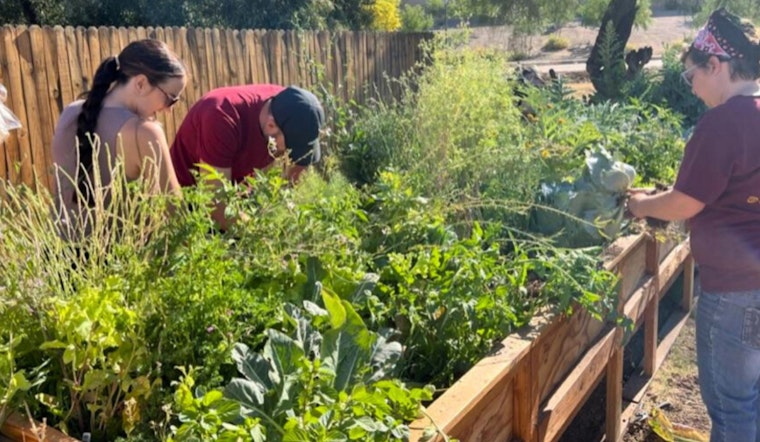
Among the key milestones cited in the report, Phoenix has distributed over 22 million pounds of food and delivered 5 million meals during the pandemic. The City of Phoenix initiative didn't just stop at distribution - it also saw the production of food surpass 51,000 pounds and diverted 95,000 pounds food from landfills. South Mountain Village resident Xavier Jones received an aquaponics garden system through the Backyard Garden Program. "Literally, I can go outside, and harvest whatever I need and use it to cook that night. That’s convenient and inexpensive," Jones told the publication.
Looking forward, Phoenix isn't resting on its laurels. Work is underway for the 2030 Phoenix Food Action Plan, expected to be completed in early 2026. This next phase aims to build upon current successes and integrate community feedback to chart a future for the local food system. Public input began rolling in since March 2025. Those interested in having a say can visit the OEP website for more information on how to get involved, as per the City of Phoenix.





