

























































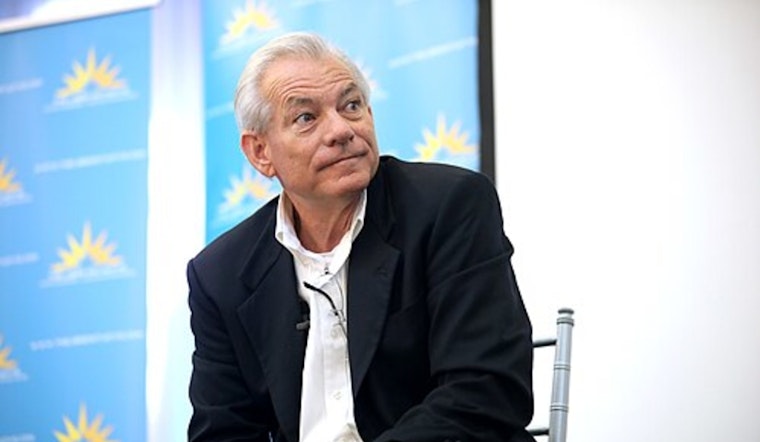
In a strategic shift within the Arizona Republican landscape, Rep. David Schweikert has forsaken his congressional seat to pursue the Arizona governorship. As the race heats up, Schweikert's play complicates an already crowded field, joining fellow Republicans U.S. Rep. Andy Biggs and businesswoman Karrin Taylor Robson in the primary. Schweikert's campaign directly challenges the frontrunners, each touted with President Donald Trump's endorsement, according to political experts.
While Schweikert moves away from his role in Congress, which he described to the Arizona Republic as frustrating due to legislative gridlocks, his rivals seize upon his absence of a Trump endorsement as a potential weakness. Jeff Glassburner, a campaign advisor for Robson, characterized Schweikert's candidacy dismissively, alleging the congressman "is a career politician with a well-documented history of opposing President Trump," and accusing him of failing to support Trump's signature legislation when it mattered most, according to statements obtained by the Arizona Mirror.
Despite Glassburner's pointed remarks, Schweikert's withdrawal from Congressional contention underscores a broader struggle within the GOP as it reckons with loyalty to Trump. This internal conflict is deepened by Tyler Bowyer of Turning Point USA's public criticism of Schweikert on social media, suggesting Schweikert's gubernatorial bid may cost the party seats and insinuating that it's a move born out of necessity rather than strategy, after Schweikert seemingly was poised to lose his Congressional reelection bid, the Arizona Mirror reports.
Democrats are not merely bystanders in this fray. Lindsay Reilly, a spokesperson for the Democratic Congressional Campaign Committee, commented on Schweikert's shifting campaign, saying, "David Schweikert can see the writing on the wall: House Republicans are doomed." Reilly's statement continued, asserting that Schweikert's record, particularly his vote for policies favoring the wealthy via tax cuts, would not resonate with Arizona voters. Meanwhile, incumbent Governor Katie Hobbs, running for reelection without a primary challenge and a significant war chest, appears in a favorable position as this Republican infighting unfolds, as noted by FOX 10.
As Election Day approaches with the primary set for August 4, 2026, and the general election following on November 3, the Republicans must navigate this tumultuous landscape to identify a candidate capable of unifying their constituency. With Schweikert choosing to contest for the governor's office, the upcoming months are poised to become pivotal for the party's trajectory in Arizona.





.jpg)