

























































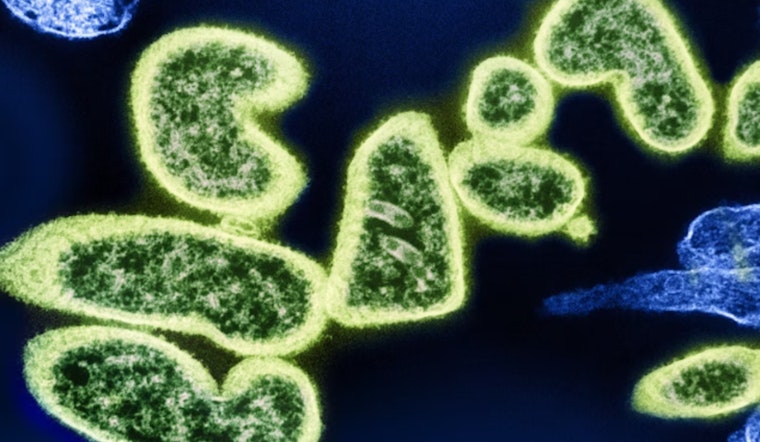
Researchers from MIT's CSAIL and McMaster University have developed a compound called enterololin that targets bacteria linked to inflammatory bowel disease, such as Crohn's. The molecule selectively suppresses harmful bacteria while leaving beneficial gut microbes unharmed, as reported by MIT.
Researchers used a generative AI model to quickly determine how enterololin targets a protein complex involved in lipoprotein transport in harmful bacteria while leaving most beneficial microbes unharmed, cutting the usual process from years to months, according to MIT. Jon Stokes, senior author of the study and assistant professor at McMaster and research affiliate at MIT’s Abdul Latif Jameel Clinic for Machine Learning in Health, said, "This discovery speaks to a central challenge in antibiotic development," referring to the long process of moving early-stage antibiotics from lab studies to effective treatments.
MIT researchers used an AI model called DiffDock to speed up drug discovery by predicting how small molecules interact with proteins. The model identified enterololin’s target inside bacterial cells within minutes, which helped guide lab experiments and confirmed how the compound works. Enterololin is still in development, and Stokes’ spinout company, Stoked Bio, is working to prepare it for human trials in the coming years. The compound is part of efforts to create narrow-spectrum antibiotics that treat infections without harming the microbiome. The research and related data have been shared publicly on repositories like GitHub.





