

























































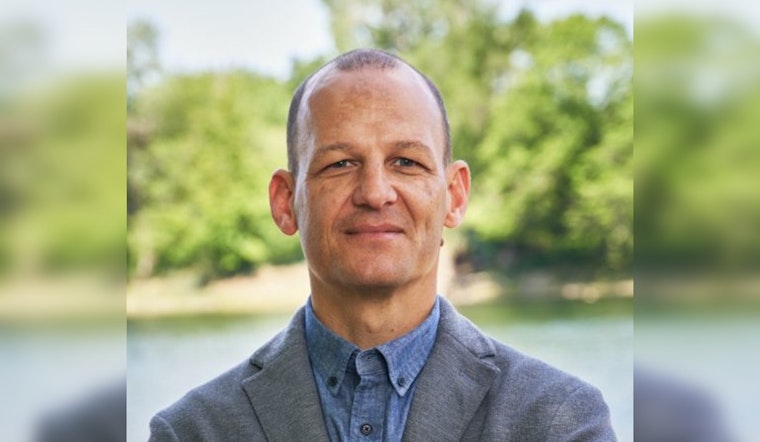
In his recent State of the City address, Sacramento Mayor Kevin McCarty announced a proposal that could raise the city's real estate transfer tax, specifically targeting high-value property sales. The intended purpose of this tax hike is to generate funds for a suite of housing initiatives that include assisting first-time homebuyers and addressing homelessness. As reported by ABC10, McCarty's proposal would increase the transfer tax from 0.275% to about 1% on transactions over $1 million or $2 million, and could generate up to $9 million annually.
Mayor McCarty, set on getting this measure onto the 2026 ballot, believes that the majority of Sacramento homeowners would not be affected by this increase, with the expectation that "99% of home sales in Sacramento would not be affected," McCarty told ABC10. Councilmember Mai Vang expressed a forward-looking stance, stating, "Our city’s greatness should be defined by how our most vulnerable communities are doing — and we need to center them in every housing decision we make." Despite the proposal being in its early stages, it has sparked conversation about how cities can creatively fund housing solutions without overburdening residents.
Providing a local perspective, Ryan Lundquist from Lundquist Appraisal Company noted to ABC10 that high-end property sales represent about 5% of Sacramento's market, drawing a parallel to Los Angeles where a similar tax led to slower sales at that price point. On the other hand, McCarty aims to mitigate federal funding cuts and the city's general fund deficit with the additional revenue, saying to CBS News Sacramento, "I think that we need to address this to in order to make sure Sacramento grows and we can take care of our needs today and tomorrow."
While homelessness advocates welcomed the initiative, they also called for more comprehensive action. Niki Jones echoed the sentiment of urgency, "It's a public health crisis every single day," she told CBS News Sacramento, and although not opposed to the tax idea, she sees it as potentially a step towards more transformative changes. The mayor’s office, now tasked with structuring the proposal before City Council consideration, has plans to continue discussions with stakeholders and councilmembers in the forthcoming months.





