

























































September marked a significant stride for the Texas Department of Transportation, with TxDOT unveiling new infrastructure improvements and detailed plans for future expansions across various regions of Texas. In San Antonio, TxDOT has officially opened a new turnaround bridge at the U.S. 90 and Texas 211 interchange on the city's far West Side. This completion, deemed "substantial" by TxDOT authorities, not only came with a $6.8 million price tag but also arrived four months ahead of the anticipated schedule, a welcome surprise for local commuters.
The U.S. 90 expansion into a six-lane freeway from Loop 1604 to west of Texas 211 also took a step forward, with the first phase of construction expected to kick off this fall. As reported by TxDOT, the expansion efforts are set to enhance the mobility and safety for those travelling across the West Side. Simultaneously, the North Side sees advancements with the Loop 1604 North Expansion Project, representing a $1.4 billion investment to alleviate congestion and improve transportation efficiency across 23 miles of the corridor in north Bexar County.
Houston residents received a preview of the future for the I-45 Gulf Freeway with TxDOT unveiling two proposals for its expansion. This corridor passes monumental landmarks such as the University of Houston and Texas Southern University, and the slated additions aim to address congestion and boost safety. While these plans are still in the environmental review stage, with construction more than a decade away, these proposals indicate a longer-term commitment to infrastructural progress.
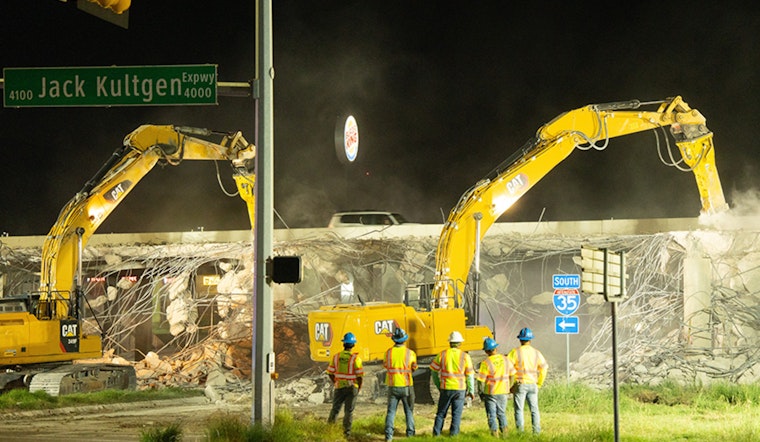
In the heart of Texas, Waco's Interstate 35 continues to see development, with TxDOT replacing aged bridges to meet modern safety and mobility standards. The State Highway 317 bridge in Valley Mills is also undergoing a makeover to provide a safer passageway over the railroad south of town. Farther west, TxDOT has embarked on preliminary studies for the I-27 extension, a project poised to strengthen the transportation framework across West Texas, eventually connecting to SH 158 and extending towards Lamesa as part of the larger strategy to enhance regional connectivity.
The diligent efforts of TxDOT last month have underlined their ongoing dedication to advancing Texas's infrastructure, aiming to bolster not just traffic efficiency but also economic opportunities throughout the state. From urban expansions to rural improvements, TxDOT's commitment paints a progressively mobile and safe future for Texas motorists.





