

























































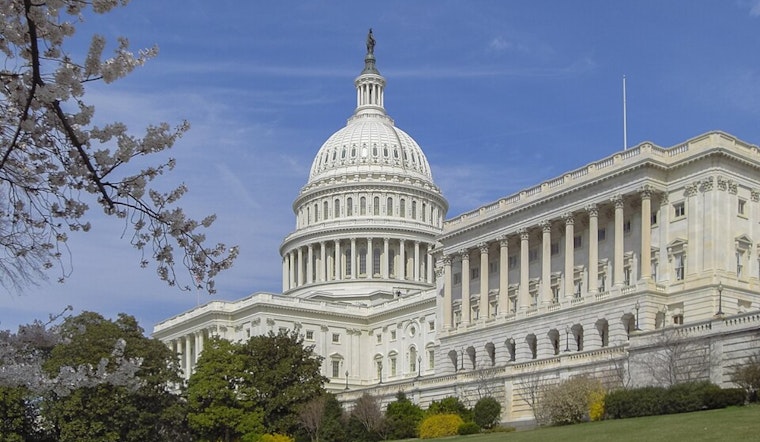
The gears of federal operations ground to a halt at midnight, with Congress' stalled efforts resulting in a government shutdown that is set to affect numerous federal workers in San Diego County. Disagreements over health care benefits, including an extension of the Affordable Care Act and Medicaid, were pivotal in the deadlock, as lawmakers could not craft a temporary funding measure both parties could back, as reported by CBS 8.
As per Congressman Scott Peters, the contention revolves around Republicans refusing to cooperate with Democrats to keep the government running. Their inability to concede health care cost containment measures for Americans has led to the shutdown, impacting 47,000 San Diego workers facing furloughs or layoffs. Essential personnel, from military to TSA workers, must continue their duties without immediate payment.
Meanwhile, Californians brace for the the shutdown's impacts in the hopes of preventing the environmental and operational chaos that ensued during the last government closure. Joshua Tree National Park advocates, like John Lauretig, recall the abject state of park facilities and the clear environmental disregard shown when unsupervised visitors roamed free, as detailed by a Mercury News report.
The unwillingness to compromise in Washington also casts uncertainty over the state's contingency measures, with no firm commitment from Gov. Gavin Newsom's administration on avoiding service disruptions. Concerns extend to programs like the Supplemental Nutrition Assistance Program (SNAP) and benefits for women, infants, and children, while Social Security checks are expected to continue, albeit with potential delays in customer service.
Federal anthropogenic disaster preparations could be slowed, jeopardizing the future efficiency of agencies like Cal Fire, though immediate emergency response should remain unaffected. According to a Cal Fire spokesperson, The financial lining enabling preventative measures is at risk of being stretched thin.
Travelers and industry workers alike anticipate greater inconvenience should the shutdown persist. Airport and security staff are anticipated to keep operating, albeit without pay. The U.S. Travel Association foresees a domino effect on the economy, with travel disruption sparing no one from its impacts.
If history is to repeat itself, national parks may undergo similar neglect as witnessed in previous shutdowns. Groetzinger of the Center for Western Priorities warns of exacerbated conditions for parks already contending with staffing cuts carried out under the Trump administration. Advocates and former park service employees call for a secure closure of parks to prevent vandalism and ecological damage, with uncertainty looming over how the National Park Service intends to navigate the funding lapse.





