

























































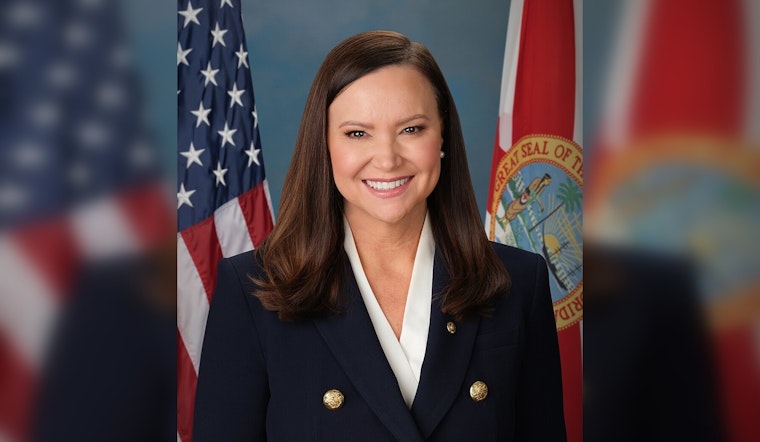
On the 27th anniversary of International Religious Freedom Day, Senator Ashley Moody has taken a firm stance against what she deems to be the continuous persecution of religious groups by the Chinese Communist Party (CCP). Moody, alongside a coalition of senators, is backing the Combatting the Persecution of Religious Groups in China Act. As reported by her official Senate page, this legislation is aimed at imposing severe sanctions on CCP officials implicated in violations of religious freedoms.
Senator Moody has been quoted as saying, "The Chinese Communist Party’s brutal persecution of people of faith cannot be ignored. I’m proud to cosponsor this bill to send a clear message that the United States will continue to promote religious freedom around the globe and fight to hold the CCP accountable for its human rights abuses." This sentiment reflects a bipartisan effort to address the issues of religious persecution beyond American borders. Senator Ted Budd backed Moody's view, emphasizing the need for American strength to confront these abuses and push for an end to China's alleged mistreatment of Christian and other religious minorities.
The proposed sanctions would specifically target high-ranking CCP officials involved in or directly responsible for the mistreatment of religious groups. This action represents an escalation in the U.S. government's approach to what Moody and her colleagues consider systemic violations of religious liberty. The bill's cosponsors include Senators Ted Budd (R-N.C.), Thom Tillis (R-N.C.), Todd Young (R-Ind.), Marsha Blackburn (R-Tenn.), and Dan Sullivan (R-Alaska).
Senator Budd highlighted the historical aspect of China's policies towards religion in his statement, "China’s disdain for religious freedom is not new. It is an ongoing and brutal pattern of abuse that must be met with steadfast American strength." Acknowledging the status of the U.S. as a leader in the global arena, Budd suggested that it is America’s responsibility to champion religious freedom and bring an end to the CCP's restrictions and cruelty toward religious minorities in China.
This legislative move is yet another instance of the U.S. government's increased scrutiny of China's human rights record. As tensions persist between the two nations on various fronts, religion and human rights remain critical flashpoints that could influence broader geopolitical dynamics. It remains to be seen how this bill, if passed, will affect the relationship between the United States and China concerning issues of religious freedom and human rights.





