

























































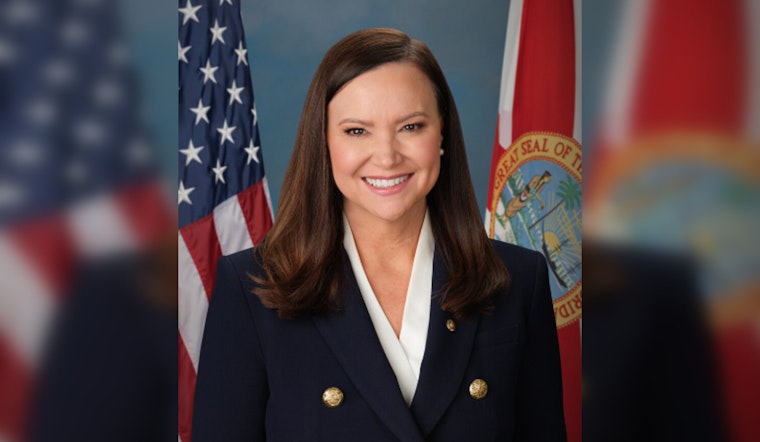
In a push for transparency over alleged governmental overreach, Senator Ashley Moody, alongside Senate Judiciary Committee Chairman Chuck Grassley (R-Iowa) and Senate Permanent Subcommittee on Investigations Chairman Ron Johnson (R-Wis.), have made a calculated move demanding the delivery of all records from the Department of Justice (DOJ) and the Federal Bureau of Investigation (FBI). These records pertain to what is coined as the FBI's Arctic Frost investigation, which has reportedly involved the secretive acquisition of phone data from various Members of Congress. According to the Senator's Office press release, this coalition of lawmakers is also urging the DOJ to seek judicial authorization to access relevant records withheld due to federal grand jury secrecy rules.
The bipartisan ensemble is framing this pursuit as a defense against potential constitutional violations citing "Given that these materials relate to an unprecedented collection of records and information on sitting [Members of Congress] and raise serious constitutional concerns, Congress’ need for these records clearly outweighs any interest in secrecy," they furthermore insist that the uncommon nature of the DOJ's and FBI's actions in harvesting Members of Congress' communication records falls squarely within Congress' constitutional obligation to scrutinize reported abuses of power thereby establishing, in their view, a uniquely exceptional situation that demands the unleashing of otherwise closeted records. The group standing with Senator Moody involves several prominent Republican figures, including Senators Marsha Blackburn (R-Tenn.), Lindsey Graham (R-S.C.), and Representatives such as Mike Kelly (R-Pa.), all known to have ties to the contentious Arctic Frost case, as stated by the Senator's Office.
This call for openness arrives amid growing tensions between the legislative and executive branches, concerning the separation of powers and the extent to which the executive branch can exercise surveillance over elected legislators. The records in question are said to possess critical insights into these activities, insights that could potentially illuminate the rationale and extent of any such surveillant undertakings. The legislators argue that the covert nature of the data collection could set a perilous precedent if left unaddressed and lack transparency, as reported by the Senator's Office.
The senators involved, including Sens. John Cornyn (R-Texas), Mike Lee (R-Utah), Ted Cruz (R-Texas), Thom Tillis (R-N.C.), John Kennedy (R-La.), and several others, represent a cross-section of the legislative body; their united front underscores the seriousness with which they regard the implications of the Arctic Frost investigation, they argue that the investigation could be indicative of a broader, more systemic issue within the current administration’s approach to dealing with its political adversaries, which, if proved to be based on partisan motives, could warrant not only public outcry but prompt a re-evaluation of existing oversight protocols regarding the balance of governmental powers, as per the Senator's Office.
As of now, the DOJ and the FBI have yet to respond publicly to the demands. The situation stands as a waiting game; those observing the unfolding story are eyeing what ramifications this clash could have for Congressional oversight, executive accountability, and the broader fabric of American democratic practice.





