

























































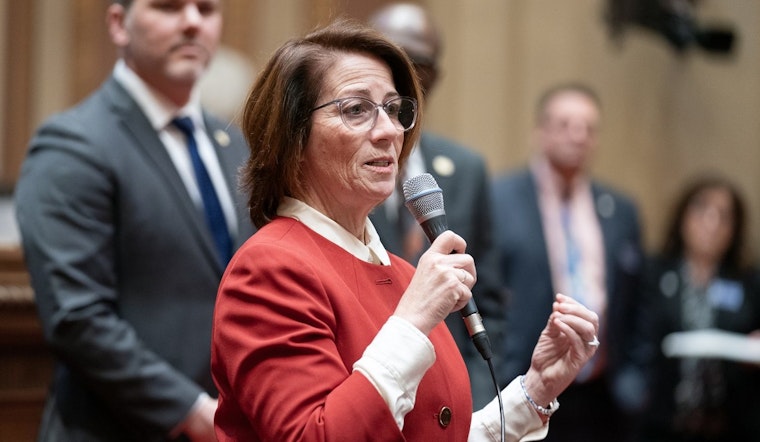
As the Minnesota Department of Commerce unveiled the new insurance rates that will take effect in 2026, Senate Majority Leader Erin Murphy (DFL-St. Paul) did not mince words on the impending financial strain Minnesotans are set to face. Citing the Republican-crafted budget, Murphy attributes the expected surge in healthcare costs – an average monthly increase of $177 for many – to the axing of crucial tax credits which previously aided nearly 90,000 Minnesotans in affording insurance coverage. On a piercing note obtained by Senate DFL, Murphy stated, “The Trump budget, recently enacted by a Republican U.S. Congress, has put the health care of 90,000 Minnesotans in jeopardy by eliminating the tax credits they need to afford coverage next year."
The aftermath of this policy shift doesn't bode well for Minnesotans who rely on the individual market. At present, the Minnesota Department of Commerce has issued figures that not only signal higher premiums, but also foreshadow a grim future for automatic renewals – an option now dismantled. It is expected that this quandary, coupled with Medicaid reductions, will pry private coverage out of the hands of over 62,000 state residents, and it doesn't stop there; over 140,000 are projected to lose coverage due to Medicaid cuts.
Meanwhile, the MN Senate Select Committee on Impact Federal Budget turned its gaze upon other sectors under duress. The focus shifted towards the Supplemental Nutrition Assistance Program (SNAP), where the committee's inaugural hearing delved into the ramifications of federal budget decisions on food assistance. Witnesses, including county representatives, policy experts, and SNAP beneficiaries, conveyed the hardships stemming from looming federal cuts. As reported by Senate DFL, the hearing underscored the distressing impact these changes will have on Minnesota’s landscape of food security.
Murphy’s collective outlook, echoing through the halls of Minnesota's legislative body, holds Washington responsible for the chaos they've unraveled that now reaches into the pockets and pans of Minnesotans. With a nod to the federal budget's profound local consequences, the Senate select committee persists in its probe – a careful scrutiny amidst waves of national policy that cascade down to the pulsating heart of local communities.




