

























































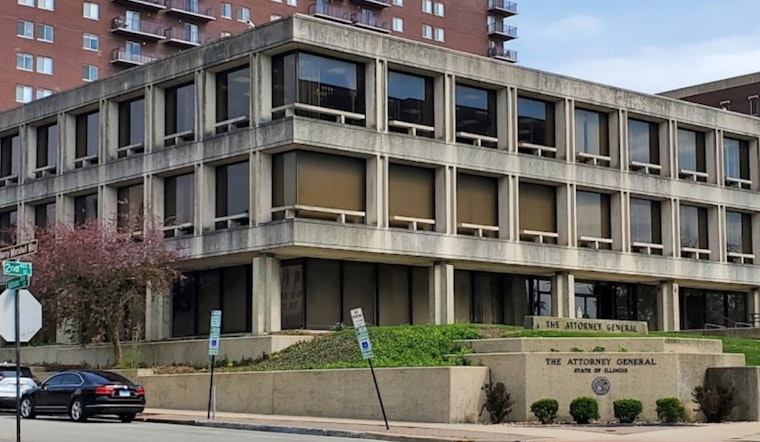
In a notable development, Attorney General Kwame Raoul has banded together with his counterparts from multiple states to question a substantial merger settlement. They're seeking to intervene in the review of the $14 billion deal between tech giants Hewlett Packard Enterprises and Juniper Networks. Allegedly, this settlement is tainted by undue influence and corruption. According to the Illinois Attorney General's office, the group has put forth a motion citing the federal Tunney Act—a law designed to prevent antitrust settlements from being swayed by corporate influence.
The states are pushing for an evidentiary hearing under the Tunney Act to appear as parties. Raoul highlighted the potential negative consequences of the merger, stating, "this merger has the potential to drastically limit competition and substantially increase prices for consumers." The Attorney General expressed a commitment that the coalition's involvement aims to prioritize public interest and thwart agreements rooted in influence peddling. In the previous month, Raoul and other state attorneys general sent a letter to the Justice Department taking issue with the settlement’s integrity.
The states' motion to intervene highlights their role in enforcing federal antitrust laws and their vested interest in safeguarding the public from anti-competitive practices. They fear that without their input, the court process would only present a perspective favoring the settlement. The coalition aims to ensure a comprehensive review of the settlement's merits and, if required, pose a legal challenge.
Agreeing with Raoul’s concerns, the attorneys general of California, Colorado, Connecticut, the District of Columbia, Hawaii, Massachusetts, Minnesota, North Carolina, New York, Oregon, Washington, and Wisconsin have joined in filing the motion. They make an argument for their standing in the matter and the potential risks to their constituents.




