

























































The Tennessee Fish and Wildlife Commission (TFWC) met yesterday for a one-day session to address several wildlife and conservation matters. Topics included the proposed Deer Baiting Privilege License, updates on North Cumberland WMA off-highway vehicle (OHV) permits, changes to the Threatened and Endangered Species rule, and the presentation of annual awards.
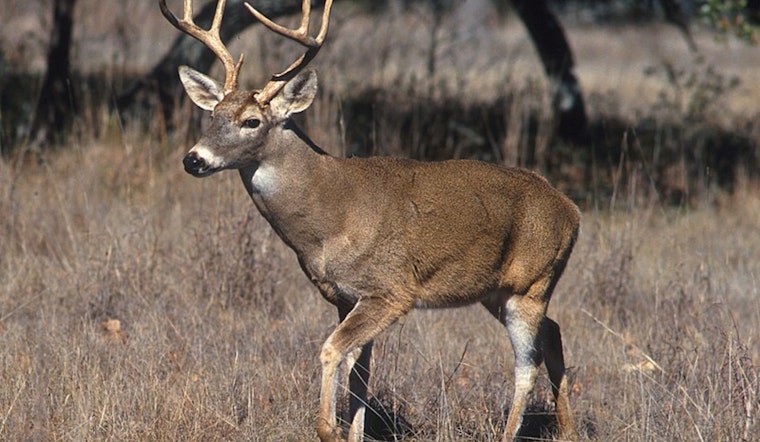
As per the Tennessee Wildlife Resources Agency (TWRA) release, the Deer Baiting Privilege License, established by the Tennessee General Assembly, applies to white-tailed deer on private and leased land. It is set to take effect on August 1, 2026, for the 2026–27 hunting season. The agency will define regulations on allowable baits, quantities, and conditions for use. Public comments are open through November 14 on the TWRA Public Notices and Comments page.
The Commission also reviewed a proposed permit system for North Cumberland WMA to support maintenance of 350 miles of OHV roads. Public input on this proposal is available through the TWRA’s public notices page.
Amendments to the Threatened and Endangered Species rule were discussed, including the potential addition of the teardrop darter to the endangered list and the possible removal of the Clinch Dace and Sequatchie Darter, as they are not recognized by the American Fisheries Society. The TWRA Biodiversity Division will submit final recommendations to the Commission in December.
The Commission approved renaming the Herb Parsons Refuge to Bill Dance Lake at the Herb Parsons Refuge, in coordination with the Bill Dance Signature Lakes project.
The Tennessee Wildlife Federation (TWF) provided updates on programs such as the TWF Hunting and Fishing Academy and the Scholastic Clay Target Program (SCTP), both funded by TWRA grants.
Agency staff were also recognized for their work. Dustin Thames received the Biodiversity Biologist of the Year award for bat conservation efforts, Pam McDonald was named Wildlife Biologist of the Year, and Jacob Riggs earned Wildlife Technician of the Year for his forest management work at North Cumberland WMA.
A full recording of the meeting, including details on discussions and public comment periods, is available on the Tennessee Wildlife Resources Agency website.





