

























































Thousands of Kaiser Permanente health care workers across California, including nurses, pharmacists, and various therapy specialists, commenced a five-day strike this morning – a move reflecting deep-seated issues of staffing, pay, and patient care. Workers of the United Nurses Associations of California / Union of Health Care Professionals (UNAC/UHCP) are behind this large-scale labor action, which marks the union's largest strike in its history, as per a statement obtained by CBS News.
Picket lines formed at key locations across the state, including at the Oakland Medical Center and Santa Clara Medical Center in the Bay Area; however, the spokesperson for Kaiser Permanente in Northern California has confirmed that, despite the strike, the pharmacies are running as usual, not joined by pharmacists in the strike. Striking workers are calling for a 25% wage increase over four years, pointing to inflation and a discrepancy with wage hikes given to other unions, and are pressing for alterations in scheduling and staffing, as reported by CBS News.
In the face of these demands, Kaiser Permanente has put forth an offer which includes a 21.5% wage increase over a four-year span, asserting it exceeds market wages. "A strike is unnecessary when a generous offer is on the table. The strike is designed to disrupt the lives of our patients — the very people we are all here to serve," the healthcare organization stated, as cited by a statement to CBS News. Kaiser also relayed that it had established contingency plans, claiming most hospitals and medical offices will carry on with operations, bringing in up to 7,600 staff to maintain services during the walkout.
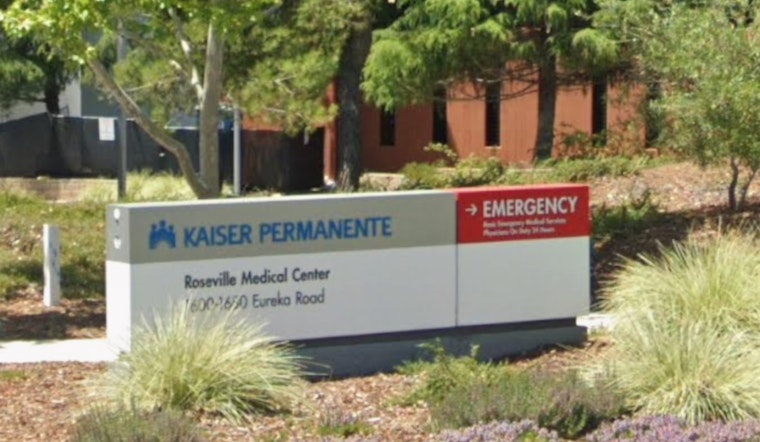
In Sacramento, the significant presence of picketing workers could be seen outside the Roseville Medical Center. "We want to work for Kaiser Permanente. We believe in the mission," certified registered nurse anesthetist Christopher Sato expressed, representing a sentiment demanding recognition for labor whilst siding with organizational values, as he told The Sacramento Bee. This sentiment is echoed by many of Sato's colleagues, including Rita Cole, a physical therapist who is fighting for more influence in patient care decisions, such as appointment lengths and new patient loads, especially for those with serious neurological conditions. Amidst the orchestrated chorus of demands and dissatisfaction, the strike is presently slated to come to a close at 7 a.m. on Sunday, leaving the week ahead uncertain for both the workers on the front lines and the patients they serve.



