

























































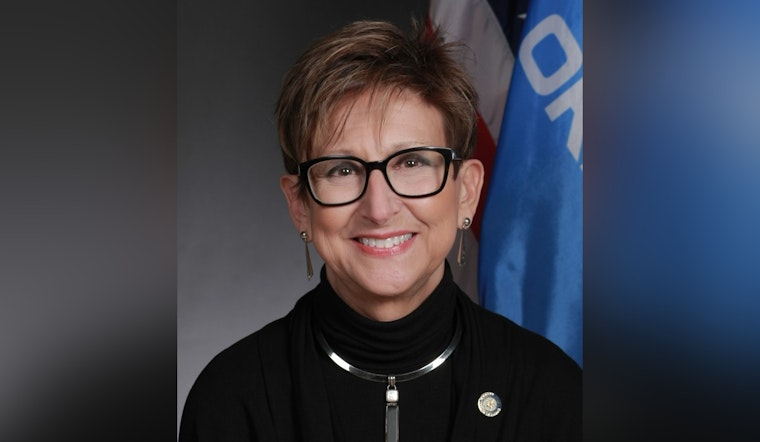
Rep. Meloyde Blancett, a Democrat from Tulsa, recently led a focused study into the murky waters of dark money and its influence on Oklahoma's elections. During her interim study, Blancett delved into the recent examples of dark money activities and explored tested legal frameworks for tightening campaign finance transparency. "I think our constituents are tired of being bombarded by anonymous ads, text messages and direct mail pieces trying to influence them to vote a certain way in public elections," Blancett stated, as per an Oklahoma House report. Her concerns echo a broader disquiet about undisclosed financial interests that look to sway the electoral outcomes from behind a veil of anonymity.
Defined by its attempt to influence the electoral process without revealing funding sources, dark money has become a means for interest groups to support candidates indirectly. Notwithstanding that dark money isn’t necessarily illegal, it's strategically utilized to mask the identities of those opening their wallets. "Not only are they tired of it, but we all should be concerned about why these entities are trying so hard to hide who they are, and the nature of their financial interest," Blancett explained in the Oklahoma House article. Her study prompted a vigorous debate on how to enhance the public election process's transparency, urging for cross-political collaboration for the sake of citizen faith in democracy.
The Oklahoma Ethics Commission's Executive Director, Lee Anne Boone, weighed in during the study, underlining the premise that voters have a right to know who is bankrolling election influencers. Boone proudly pointed out that Oklahoma ranked relatively well in terms of campaign finance law structure, 12th out of 50 states, according to a 2022 assessment by the Coalition of Public Integrity. Nonetheless, Boone noted room for improvement, suggesting specific reforms could further elevate the state's standing.
Adding depth to the discussions, Elizabeth Shimek from the Campaign Legal Center highlighted the Arizona precedent—Voters’ Right to Know Act—which was overwhelmingly passed by voters to bring about significant transparency changes. As reported by the Oklahoma House, Shimek's presentation cemented the argument for clear disclosure requirements of election campaign backers.





