

























































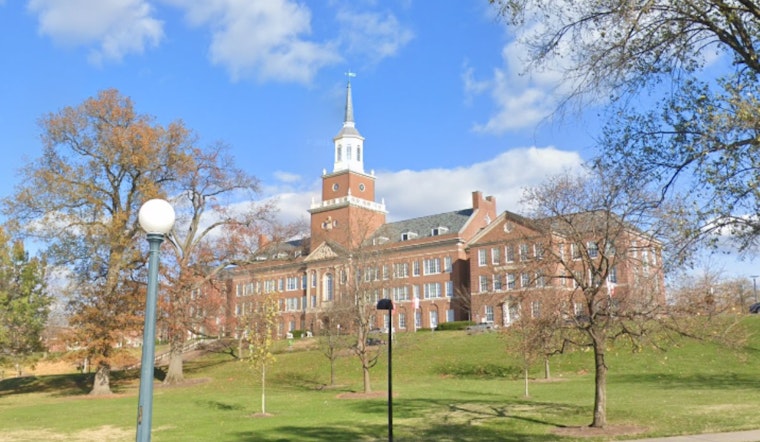
The University of Cincinnati (UC) has emerged as a leader in sustainability efforts, climbing its way up the rankings to secure a No. 8 spot on the Princeton Review's list of the nation's greenest college campuses. This commendation highlights UC's commitment to implementing “superb sustainability practices, a strong foundation in sustainability education, and a healthy quality of life for students on campus,” according to the criteria put forth by the organization in charge of the ranking.
In the competitive sphere of academic sustainability rankings, the Ohio institution has surpassed other local and notable universities, including the University of Massachusetts at Amherst, New York University, and University of California at Irvine. Based on school-reported data and student opinion that were collected through institutional and student surveys, UC's efforts are not going unnoticed. University Business magazine reports that such sustainability credentials might even influence prospective students when choosing their future college. However, the significance of UC's ascent in the rankings extends beyond mere lists and comparisons; it represents a broader cultural embrace of environmental stewardship within higher education.
Alex Román, UC’s sustainability coordinator, elaborated on the driving forces behind the university's achievements. "Sustainability at UC is the result of strong collaboration across departments, faculty and students," Román shared with the source of the original report. He further expressed that UC's community comes together in every project, whether it's centered on energy efficiency, waste diversion, or green infrastructure, embodying a unified vision that sustainability is a fundamental aspect of the university’s daily operations and academic mission.
UC's campus landscape has seen a proliferation of sustainable initiatives, such as infrastructural improvements to mitigate food waste, the introduction of pollinator walls, and the construction of LEED-certified buildings. These efforts are particularly poignant given the increased environmental challenges UC faces, including intense flooding, heatwaves, loss of biodiversity, and extreme weather events. Román added, "Being recognized among the top green campuses reinforces what we see every day: UC is full of people who care deeply about their community and environment." UC’s first climate action plan, published in 2009 and followed by the Sustainability and Climate Action Plan in 2019, sets ambitious sustainability goals across various operational sectors, with a focus on waste and food, according to the UC News report.
The student body at UC amplifies these efforts, with more than a dozen student groups actively promoting sustainability on campus. There are also several programs, centers, and schools within UC that specialize in environmental and sustainable studies. Unique to the campus is the Bike Kitchen, overseen by student workers who offer free bike rentals and repairs for the UC community, and Bearcat Recycling, a program powered by student volunteers who help with waste diversion during sporting events. These collegial actions are more than simple service offerings; they are the lifeblood of a culture of responsibility that threads through the entire institution's values and long-term vision for a more sustainable future.




