

























































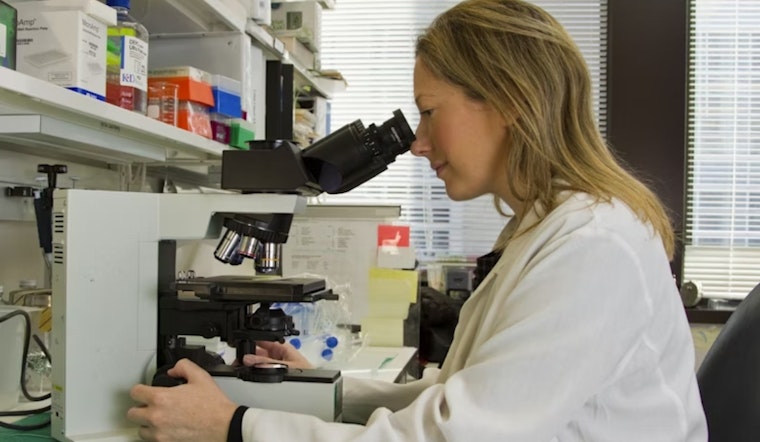
As the University of Cincinnati delves into the aftermath of strokes, particularly intracerebral hemorrhages (ICH), which make up 15% of all strokes yet contribute to a staggering 50% of stroke-related fatalities, a new study has emerged to cast light on the inflammatory responses that could be key in exacerbating such conditions. Research led by Kyle Walsh, MD, at UC's College of Medicine suggests that understanding post-ICH inflammation is crucial in devising effective treatments.
Dr. Walsh, who serves as an associate professor and attending emergency medicine physician at UC Health, alongside being a team member of the UC Neurocritical Care and Stroke teams, highlighted the complexity of ICH consequences; however, it is not just the initial bleeding in the brain that inflicts harm but subsequent inflammatory processes that contribute to further injury or secondary injury, which is where the team's findings concentrate tackling this secondary injury presents an avenue for the development of prospective treatment strategies. The intricacies of such inflammation and the genes implicated are illuminated in a recent study published in the BMC Neurology journal, according to the UC News, intimating the dual nature of inflammation, which can not only be destructive but also reparative in its aftermath.
"In addition to causing more damage, this post-ICH inflammation could also include processes involved in repair," Walsh said in a statement obtained by UC News, noting the duality of the body's response to ICH. Indeed, the focus of such research has pivoted towards understanding how exactly the body's inflammatory response can become a target for therapy and potentially ameliorate the effects of ICH, which could mitigate the high mortality rates associated with the condition.
Within this study's scope, the identification of specific genes at play in the course of inflammation after an ICH shines a light on the cellular mechanisms that could be exploited to either curb the damaging inflammation or enhance the reparative processes, a balance that holds promise in the realm of medical intervention for stroke patients. While the work by Walsh and his team has illuminated possibilities, it also underscores the necessity for continued research. The nuances of ICH pathology and its treatment are a landscape which only now being thoroughly charted, and where every discovery marks a step closer to saving lives and improving outcomes.





