

























































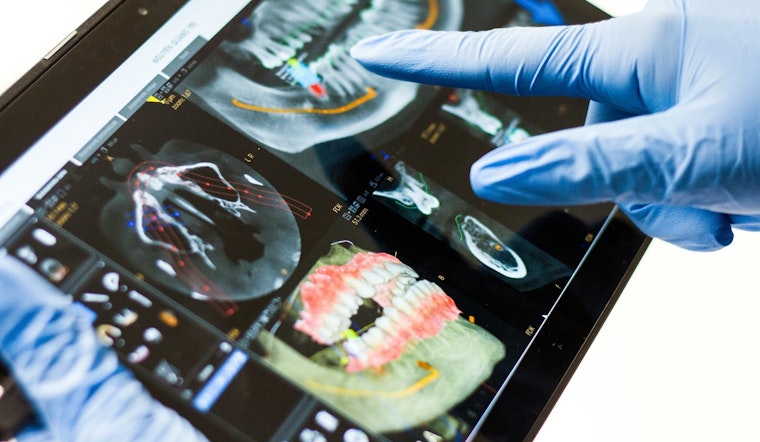
October is about more than just falling leaves and pumpkin spice—it's also National Orthodontic Health Month. Dr. Petra Bachour from the University of Minnesota School of Dentistry recently shed light on the importance of orthodontic health, not only for achieving a picture-perfect smile but also for enhancing overall health and quality of life. During an interview, she broke down the essentials of orthodontic care, emphasizing that it's more than just cosmetic—it's crucial for oral hygiene, proper speech, and efficient chewing, as reported by the University of Minnesota.
Orthodontists don't just straighten teeth—they also play a key role in diagnosing and treating a range of dental and facial discrepancies. According to Dr. Bachour, specialists in this field undergo extensive training to not only move teeth but also guide proper jaw growth and address any bite issues. They are adept at preventing and correcting irregularities that can affect general well-being, and it's this holistic view that truly has to consider their role in healthcare. Crowded teeth, for instance, can hinder proper cleaning, leading to gum disease and other health issues, Bachour told the University of Minnesota.
The conversation with Bachour further highlighted the evolution of orthodontics. Today's orthodontic landscape is rapidly advancing, integrating state-of-the-art diagnostic tools and treatment planning that ensure personalized care. Gone are the days of one-size-fits-all brackets and invasive impressions. Now, patients may choose from various discreet and comfortable treatments, including clear aligners and lingual braces, a nod to the industry's embrace of technology and innovation.
While discussing the importance of early orthodontic evaluations, Bachour reiterated the American Association of Orthodontists' recommendation for children to have their first orthodontic examination by age seven. However, adults need not feel left out; modern orthodontics can effectively treat people at any age with a wide array of aesthetic treatment options. Moreover, Dr. Bachour drives home the message that wearing retainers as prescribed is critical for maintaining the benefits of orthodontic treatment over a lifetime—because, like it or not, teeth have the tendency to shift over time, she explained to the University of Minnesota.
At the University of Minnesota, Bachour is part of a larger movement pushing the envelope in orthodontic research. She focuses her work on enhancing the precision of patient care through the latest technological innovations. By marrying clinical practice with rigorous research, Dr. Bachour and her colleagues at the University of Minnesota School of Dentistry are shaping the future of orthodontics, ensuring that the field continues to improve and expand its scope in promoting health and wellness.





