

























































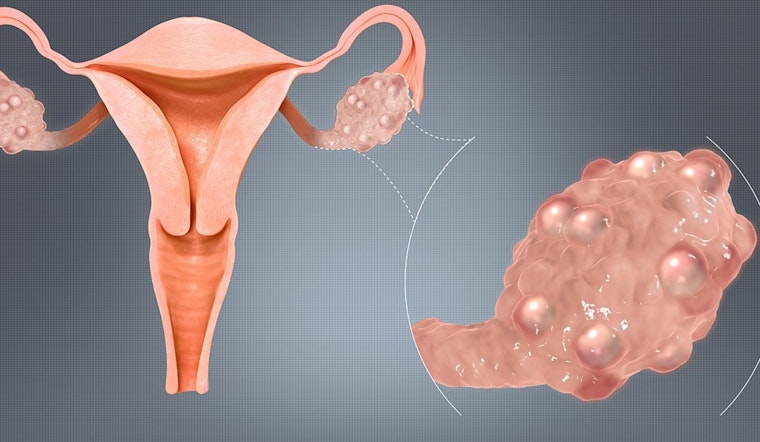
Polycystic ovary syndrome (PCOS), a disorder affecting about 13% of women globally, has been highlighted as an underdiagnosed hormonal imbalance by experts at the University of Minnesota. Sarah Hutto, an associate professor at the University's Medical School, discussed in an interview the intricacies of PCOS and the necessity of educating future medical professionals on its management. PCOS is characterized by irregular menstrual cycles, excess androgen production leading to acne and abnormal hair growth, and often, polycystic ovaries.
Despite its prevalence, PCOS might slip through the diagnostic net due to varying symptoms and a lack of consensus on diagnostic criteria. "PCOS is underdiagnosed for a multitude of reasons," Dr. Hutto told the University of Minnesota. She added that the symptoms can be easily confused with other conditions, slowing down the critical process of recognition and treatment of the syndrome, which is closely linked with metabolic syndrome and increased risk of diseases such as Type 2 diabetes and heart disease.
The risks are manifold; managing PCOS requires a holistic approach tailored to the patient's situation. According to Dr. Hutto’s conversation with the University, management must be personalized, with a concerted focus on the patient's symptoms, concerns, and overall health goals. This may encompass a range of treatments, including but not limited to medication for insulin resistance, endometrial protection plans, or fertility treatments, depending on the individual’s desire for pregnancy.
Dr. Hutto's mission extends beyond patient care to empowering the next generation of medical providers through comprehensive education on PCOS. According to the University of Minnesota, "In my work, I focus on informing and teaching the next generation of providers the proper evaluation, diagnosis and treatment plans for PCOS," she explained. Her clinical interests encompass a broad spectrum of women’s health concerns, extending from high-risk obstetrics to women's reproductive rights, and align with the University of Minnesota Medical School's pledge to advance medical care and knowledge.
The University of Minnesota Medical School plays a pivotal role in transforming medical care and reaffirms its commitment to tribal communities, acknowledging its presence on the lands historically belonging to indigenous people. Catering to a blend of teaching and research, the institution is dedicated to delivering high-impact biomedical research and nurturing new waves of physicians equipped to navigate and treat complex conditions such as PCOS.





