

























































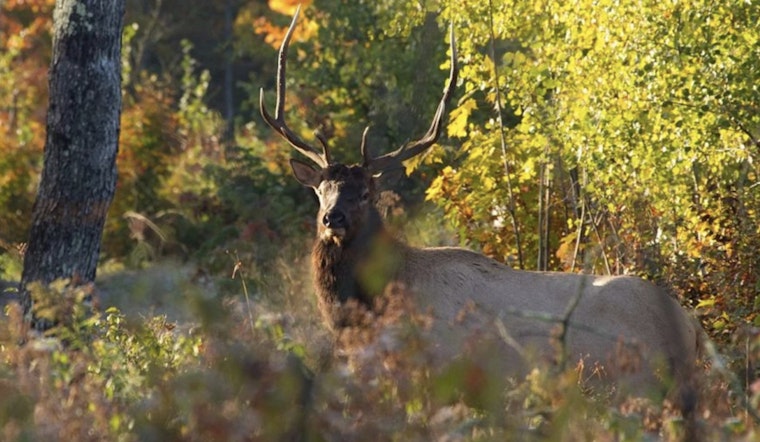
Wisconsin is preparing for its eighth elk hunting season since the species was reintroduced, with the Department of Natural Resources (DNR) setting the opening day for Saturday. For the first time, the season will include opportunities to harvest antlerless elk, a step aimed at improving population management and reducing human-elk conflicts. Thirteen hunters, chosen from more than 26,000 applicants, will participate in this year's hunt within the state’s designated elk range areas.
The DNR has set an eight-bull quota for the Clam Lake Elk Range, with half of the permits issued to state hunters and the other half reserved for the Ojibwe tribes under treaty rights. In the Black River Elk Range, the DNR allocated five antlerless and four bull licenses to state hunters, reflecting a slight increase from last year’s numbers. According to a release by the DNR, "Both elk herds experienced strong recruitment through the winter, and staff documented a successful spring calving period," highlighting the program's developed efficiency and conservation success.
The Wisconsin Department of Natural Resources (DNR) has announced that applications for the 2026 elk hunting season will open in early March and close at the end of May. Application fees will support ongoing elk conservation and management efforts across the state. The 2026 season is scheduled to begin on October 17.
The application process operates as a random drawing, giving all participants an equal chance within their selected management zones. This system aims to balance hunter interest with wildlife conservation. Revenue from application fees plays a key role in supporting the state's elk program, with $7 of each $10 fee directed specifically toward elk habitat management and restoration. As reported by the DNR, these funds help sustain the long-term health and growth of Wisconsin's elk populations.





