

























































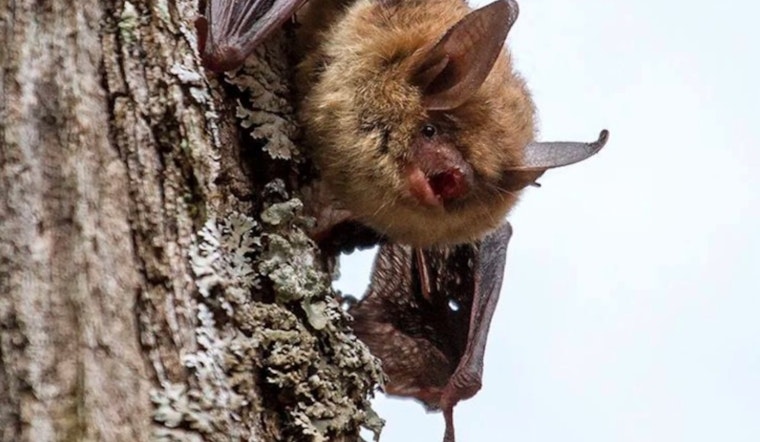
Wisconsin residents are invited to take part in International Bat Week, observed from today until Friday next week. The Wisconsin Department of Natural Resources (DNR) highlights the ecological and economic value of bats, which help control crop pests and prevent agricultural damage.
According to the Wisconsin Department of Natural Resources (DNR), Wisconsin is home to eight bat species, four of which are state-threatened: the big brown bat, little brown bat, northern long-eared bat, and tricolored bat. The silver-haired bat is also listed as a species of concern. Recent surveys by the Wisconsin Bat Program show encouraging signs of recovery for little brown bats, with populations increasing at several key roost sites.
White-nose syndrome, first detected in Wisconsin in 2014, remains a major cause of bat population decline. The disease, caused by a fungal infection, affects hibernating bats and can lead to starvation. DNR bat specialist Jennifer Redell noted that former mine sites have become important habitats for sustaining bat populations.
While little brown bats show improvement, species such as the northern long-eared and tricolored bats continue to face challenges. To promote awareness, bat-related events will be held across 34 Wisconsin counties, with details available on BatWeek.org. Activities include educational sessions like Bats in Wisconsin at the Richard Bong State Recreation Area and Evening Bat Walk with the University of Wisconsin Bat Brigade.
The Wisconsin Department of Natural Resources encourages residents to support bat conservation by installing bat houses, planting native vegetation, avoiding pesticide use, and safely excluding bats from homes. Individuals may also volunteer with the Wisconsin Bat Program or donate to the Endangered Resources Fund to help protect bat habitats.



