

























































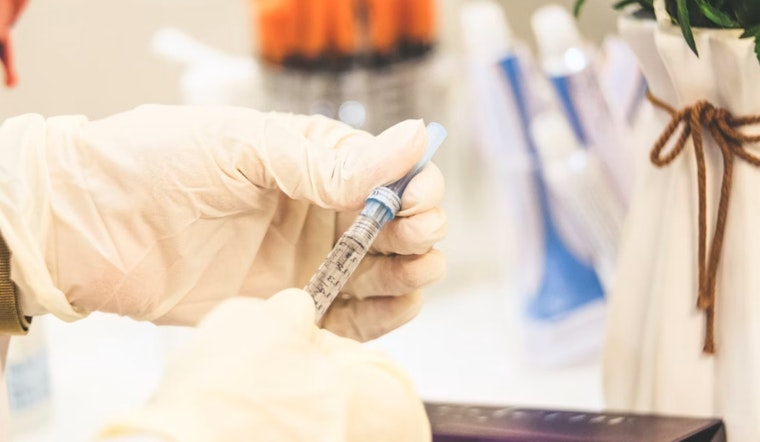
As the leaves turn and the crispness of autumn settles in Wisconsin, the Department of Health Services (DHS) is urging residents to fortify their defenses against the seasonal surge of respiratory viruses. In a press release, DHS highlighted the availability of updated flu and COVID-19 vaccines tailored to the strains expected this year, as well as the RSV vaccines for qualified individuals including seniors and expectant mothers.
State health officer and Division of Public Health administrator Paula Tran stressed the importance of vaccination, stating: "Fall is the time of year when we start to see respiratory virus activity increase, and getting vaccinated now gives you the best protection ahead of the season," as mentioned on the Department of Health Services website. Wisconsin's previous flu season was particularly harsh, with nearly 7,000 hospitalizations, and health authorities are taking no chances, recommending flu, COVID-19, and RSV vaccines to mitigate similar outcomes.
Wisconsin's health officials are not only recommending vaccines but also disseminating practical advice for safeguarding residents’ health during the colder months. Emphasizing routine precautions, they advocate for frequent hand-washing, disinfecting commonly touched surfaces, and wearing masks in crowded or enclosed spaces to lower the chance of transmission.
The flu vaccine is advised for everyone over 6 months of age, and they are being encouraged to consult their health care providers about the vaccines most appropriate for them, according to a statement obtained by the Wisconsin Department of Health Services. Pregnant people, especially, are encouraged to immunize against RSV between September and January, to protect newborns who are at higher risk of severe illness. In the instance where a pregnant individual misses their vaccination, an RSV antibody shot is recommended for infants and some toddlers.
To access these vital vaccines, Wisconsinites can schedule appointments through various providers including local health departments, pharmacies, and community clinics. The DHS has highlighted programs like the Vaccines for Children and Vaccines for Adults for influenza and RSV, aimed at aiding those without health insurance or whose plans do not cover vaccines.
Moreover, DHS is maintaining vigilant oversight on respiratory virus activity throughout Wisconsin. They offer a range of resources, from data webpages summarizing the state's respiratory health to dashboards detailing immunization statistics, giving the public a transparent view of the ongoing situation.
For more information on how to find and schedule a vaccine appointment, residents can visit the DHS website, which details resources and offers up-to-date data on respiratory virus activity and vaccination rates across Wisconsin.





