

























































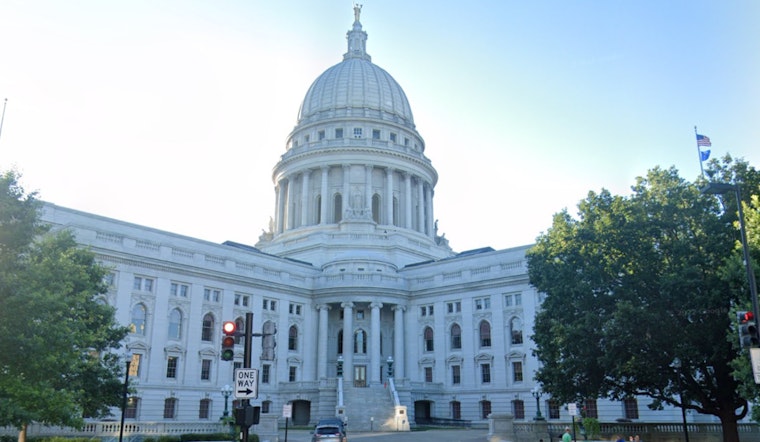
Wisconsin's judicial landscape is poised for change as the 2026 Supreme Court race heats up with the announcement of a second candidate. Court of Appeals Judge Maria Lazar joined the fray, running for a coveted open seat on the state's highest court, as reported by TMJ4. Lazar, whose previous campaigns have drawn conservative support, will compete against another Court of Appeals Judge, Chris Taylor, in the April 7, 2026, election to secure a 10-year term on the bench.
In a video campaign announcement cited by WISN, Lazar stressed that "it is time to restore" a level of zealous dedication to the Court, describing herself as "an independent, impartial judge." Meanwhile, having been engaged running and raising money since May, her competitor Taylor is a former Democratic state lawmaker and has shown a formidable financial start boasting a $1 million war chest in August.
The recent announcement by Lazar also follows a contentious backdrop of record-high spending and partisan battles in previous elections. According to PBS Wisconsin, the conservative Judge expressed concerns over the growing politicization of the courts, which was distinctly exemplified in the 2025 races that witnessed unprecedented monetary influence from figures such as Elon Musk and George Soros.
With significant endorsements from controversial figures like former justice Michael Gableman and former Trump attorney Jim Troupis, Lazar aims to distinguish herself from the political realms that Chris Taylor, who Lazar claims "has always been a politician first", has previously navigated. Said Lazar assured in her launch video, "never to be swayed by political decisions", the previous Department of Justice prosecutor enters the race as the conservative standard-bearer.
The 2026 Supreme Court election looms as a potential turning point for Wisconsin's jurisprudence on key issues like abortion, collective bargaining rights, and election rules. While Lazar faces an uphill climb in funding against her opponent, Taylor, her campaign hits the ground with the support of a distinct conservative base that could prove critical in the vote come April 7, 2026.





