

























































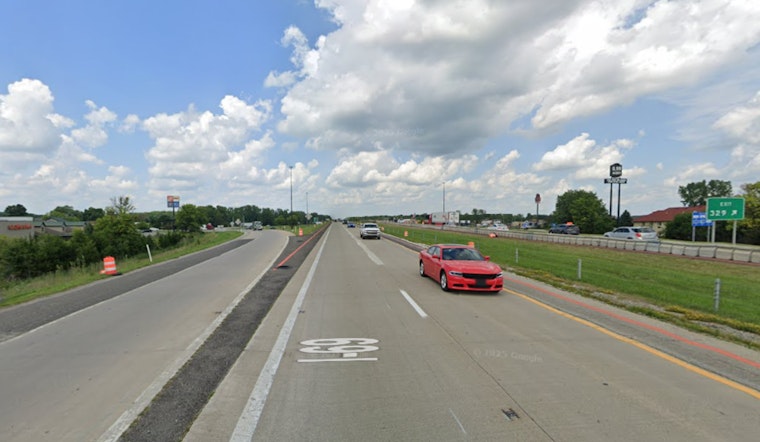
The Indiana Gaming Commission recently spurred conversations among residents of Auburn, Indiana, with a report pinpointing their city and downtown Indianapolis as promising new homes for a casino, information that has been circulating since a statement issued by State Rep. Ben Smaltz (R-Auburn). While the report assessed four locales state-wide, it rated a location near Interstate 69 and State Road 8 in Auburn among the foremost choices for this lucrative, yet controversial project.
In response to the report's findings, Smaltz emphasized community dialogue prior to any action; he clarified that he knows of "no formal proposal or organized effort to locate a casino in Auburn," yet acknowledings that such an opportunity demands a rigorous evaluation of potential implications ranging from traffic volume to public welfare, as high stakes can often engender equally high stakes consequences.
Amid economic allure, Smaltz likewise shared his hesitancy by citing the integral risks associated with gambling expansion, "Research has shown that expanded gambling access can lead to higher rates of addiction, financial hardship, family strain and, in some cases, public safety concerns," he pointed out the gravity of such considerations for policy makers and the community alike.
It's noteworthy to remark upon Indiana's established presence in the gaming domain, already ranked as the nation's seventh largest gaming state, an industry that is not only stringently regulated but also significantly contributes to the state and local economy, as the casinos render millions in tax revenue bolstering public safety and infrastructure programs, a relationship detailed by Smaltz reflecting the symbiotic yet delicate balance of such enterprises within community frameworks.
Emphasizing prudence, Smaltz concluded, "We must be cautious and thoughtful of our constituents before moving forward," signaling that the aspirations pivoted by the commission's report shall be met with a circumspective approach, weighing heavily the social and economic equilibrium that rural communities like Auburn must continually negotiate.





