

























































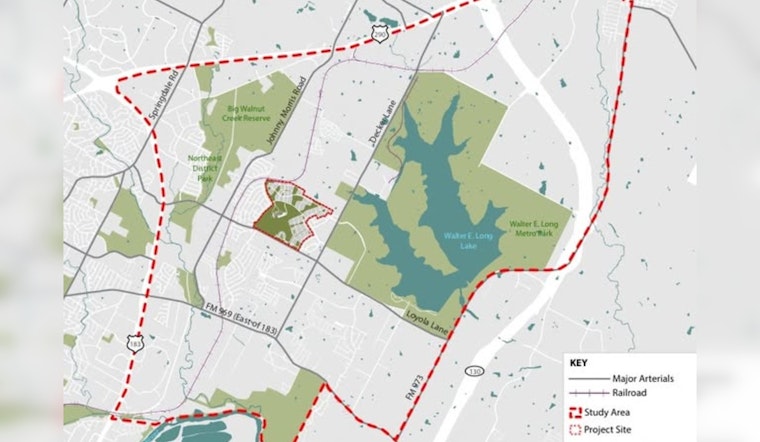
The City of Austin is stepping up to the plate concerning its infrastructure development, navigating the complex interplay between progress and preservation. A recent proposal for the "Colony Park Infrastructure" project—which aims to invigorate a neighborhood in northeast Austin with improved mobility, safety, and utility services—has been put forth, with a sober acknowledgment of its environmental footprint. This $12.5 million venture, set to unfold over the next five years, includes upgrades on roadways, pedestrian and cyclist routes, and core utilities intended to upgrade the lifelines of the Colony Loop neighborhood. These improvements are crucial not only for accessibility but also for resilience as climate patterns continue to shift unpredictably.
According to an early notice published by the City of Austin, the project plans to directly intertwine with environmentally sensitive areas, parts of which include federally designated floodplains and wetlands. The plans are not just blueprints for the future but also carry a responsibility to respect the natural elements that were custodians of the land well before the City of Austin was. To ensure that the 5.32 acres of flood-prone areas and the affected 3.65 acres of wetlands are managed with due diligence. Alternatives are being considered to either relocate these projects or minimize and mitigate their impact.
The proposal calls not just for recognition, but for a participatory response from the public. Residents and stakeholders are urged to air their views, suggest alternatives, and voice concerns regarding the floodplain and wetlands within the project’s boundary. "People who may be affected by activities in floodplain/wetlands and those who have an interest in the protection of the natural environment should be given an opportunity to express their concerns and provide information about these areas," the City of Austin asserted in its public notice.
Insights, concerns, and alternatives proposed by the public are to be considered with the seriousness they deserve. The City of Austin has made it clear that public education and equitable information dissemination form the backbone of this developmental initiative. Recognizing this, the city invites written comments until November 27, 2025, which can be submitted by physical mail to The City of Austin Housing or via email as detailed in the public announcement. A full description of the project is also made available for review during business hours at the Austin Housing Department, according to the information published by the official notice.
This level of community engagement and responsiveness to environmental concerns is an essential barometer for the health of our local governance systems. As Austin continues to grow and evolve, keeping a watchful eye on the balance between development and environmental conservation will remain a key challenge—one that the City of Austin appears prepared to face as part of this and future projects.





