

























































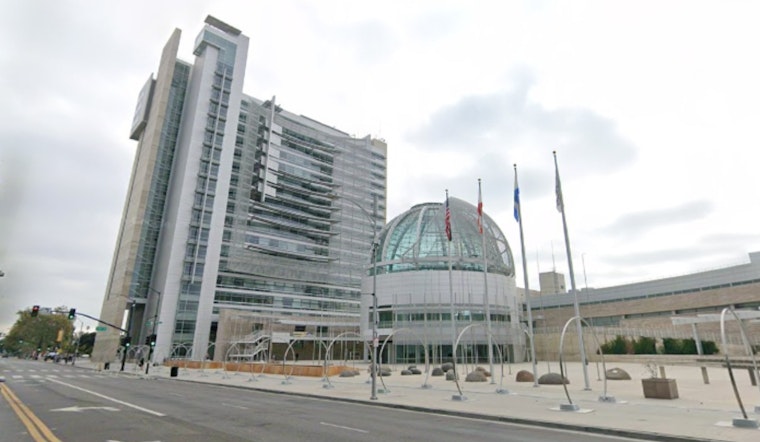
City halls around the Bay Area are quietly steering shelter beds and tiny-home villages away from downtown corridors and onto quieter blocks. Officials say the goal is to close service gaps and move people indoors more quickly, but scarce land, high operating costs, and vocal opposition are slowing many plans. The result is a patchwork rollout that keeps testing the balance between speed, community buy-in, and long-term housing strategy.
San Francisco Puts A Map To Shelter Siting
San Francisco adopted an ordinance this year that ties the siting of new, city-funded shelters to neighborhood need and bars certain facilities from opening near already saturated areas. As outlined on sfgov.legistar.com, the law sets a data-driven siting test, creates a buffer around existing shelters, and includes reporting requirements and a sunset date. Supporters call it a fairer spread of services; critics warn it could slow emergency placements where land is tight.
Neighbors Push Back
Shifting shelters into new neighborhoods has sparked tense meetings and viral blowups. At a town hall earlier this summer, San José officials were heckled over a proposed motel conversion, underscoring the fact that local resistance remains a significant obstacle to siting. Even so, city leaders point to rapid expansions as proof of progress. KQED reports San José’s interim program logged roughly 1,900 placements across 22 locations as of June.
San José’s Rue Ferrari Doubles Down
San José recently expanded its Rue Ferrari interim housing site to 266 beds — now the city’s largest tiny-home community, according to San José Spotlight. The upgraded campus features private bathrooms, shared kitchens, laundry facilities, and outdoor spaces. City officials say these amenities help stabilize residents and set up moves into permanent housing. Still, operating costs and transit access remain stubborn hurdles to making sites like this sustainable and equitable across neighborhoods.
Money And Land Are Part Of The Problem
Beyond neighborhood politics, predictable revenue and buildable land are big chokepoints. Alameda County’s Measure W, a half-cent sales tax that voters approved in 2020, unlocked significant funding for homelessness services. However, county leaders are still deciding how to allocate it, with a timeline and priorities detailed by EBHO. Local officials say federal and state dollars alone don’t cover the ongoing operating costs these interim sites need.
Legal Implications
The legal ground has shifted as well. In City of Grants Pass v. Johnson (2024), the U.S. Supreme Court ruled that generally applicable bans on public camping don’t, by themselves, violate the Eighth Amendment, a decision that gives cities more latitude to clear encampments while turning up the pressure to offer places for people to go. The full opinion is available on the U.S. Supreme Court website, and local leaders say it has both spurred enforcement and heightened the urgency to expand shelter.
What’s Next
Supporters of interim housing, including nonprofits that build modular and tiny-home villages, argue the model can scale if cities pair sites with transit, services, and stable operating funds —a view echoed in state-level advocacy around the Interim Housing Act. For now, San Francisco, San José, and Oakland will continue to juggle outreach, land deals, and budgets to transition temporary placements into durable exits from homelessness while fielding numerous tough questions at the mic.





