

























































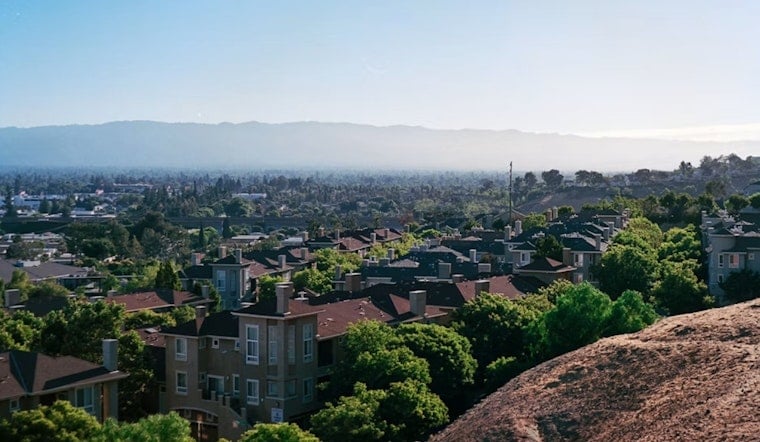
San Jose State University researchers this week revealed the findings of this year's Silicon Valley Pain Index, and the numbers paint a stark picture: the bottom 50% of residents in the region hold less than 1% of its total wealth, while the top 10% control 75% of it. The report also found San Jose ranks as one of the most expensive large cities in the United States, with the index estimating that residents need an income of more than $460,000 a year just to afford a standard home there.
The figures were first reported by NBC Bay Area, which detailed the latest edition of the annual study tracking economic inequality across Silicon Valley. Michael Dao, director of San Jose State University's Human Rights Institute, said concerns continue to grow about inequalities involving housing, wealth, race, education, public health and their intersections, according to the outlet's report.
A Widening Gap Rooted in Years of Data
This year's numbers build on a body of research that has tracked the region's economic divide since the index launched in 2020. San Jose State University researchers created the report after being inspired by Professor Bill Quigley's Katrina Pain Index, which measured post-disaster social inequities in New Orleans, as well as the nationwide protests that followed the murder of George Floyd that same year.
Earlier editions of the Pain Index found that just nine ultra-wealthy tech households control 15% of the region's wealth — amounting to $683.2 billion — while roughly 110,000 households hold nearly zero net assets, according to The Guardian. The same reporting found the region's Absolute Gini Coefficient, a standard measure of income inequality where zero represents perfect equality and 1.0 represents total inequality, has climbed above 0.80, up from 0.38 in 1990.
Racial Wage Gaps and Housing Costs Compound the Divide
The Guardian's reporting also found that Hispanic workers in the San Jose metro area earn an average of 33 cents for every dollar earned by their white counterparts, with average annual per capita earnings for Latino workers standing at $36,000 compared to $101,000 for white workers. Average rent in San Jose consumes almost the entirety of that $36,000 income, the outlet noted.
Renters across Silicon Valley need to earn between $125,000 and $136,532 annually to afford a standard apartment, making the region's rental market the least affordable in the country, per the same Guardian report. Compounding the pressure, San Jose must build approximately 8,000 new housing units per year to meet its long-term affordable housing goals, according to KTVU — a figure that dwarfs the city's historical construction peak of roughly 1,700 units in a single year.
From Research to Policy
The Pain Index has done more than document the region's disparities; it has helped shape local policy responses. Findings from earlier editions of the report directly inspired Santa Clara County to establish a pilot guaranteed income program providing $1,000 per month to unhoused high school seniors, a program that grew out of California Senate Bill 1341, according to the Office of Senator Dave Cortese.
The report is also produced in part to benchmark Santa Clara County's performance after the county officially declared itself a human rights county in 2018 in accordance with the International Bill of Human Rights, according to San Jose State University. The county also adopted CEDAW standards, a set of international women's rights benchmarks, in 2023.
An Ongoing Body of Work
Sociology Professor Emeritus Scott Myers-Lipton co-founded the Silicon Valley Pain Index and served as its lead author for its first four annual editions, compiling more than 100 to 200 data points across dozens of regional studies for each report, according to Bay City News. Earlier index data also found that San Jose ranked first among major U.S. cities in its rate of youth homelessness, recording 85 unhoused young adults aged 18 to 24 per 100,000 residents, the outlet reported.
Hoodline reported on the 2023 edition of the index, which similarly detailed extreme wealth concentration and San Jose's youth homelessness rankings. This year's release shows those structural pressures have not eased, with the newest figures on wealth concentration and housing costs suggesting the gap between Silicon Valley's tech wealth and its working households continues to widen.



