

























































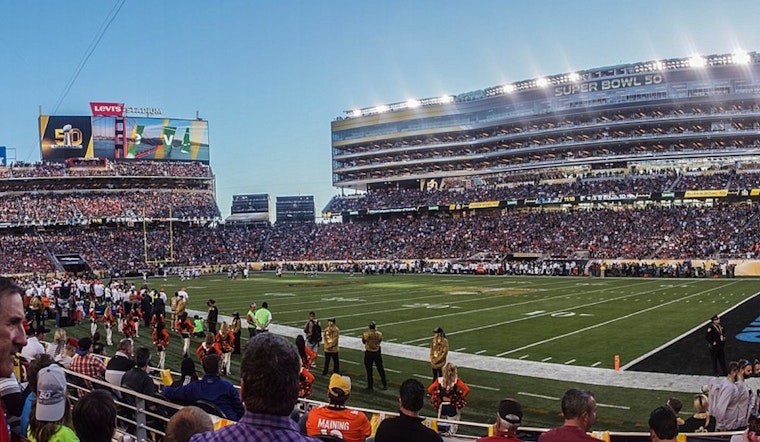
Bay Area police unions are squaring off with the NFL over the league’s plan to implement facial recognition "authentication" for all personnel working at next year’s Super Bowl at Levi’s Stadium, a move that is already reshaping local security discussions. Santa Clara police, the lead local agency for the game, have signaled they will work with the NFL’s credentialing system, while San Francisco’s police union has publicly objected to league requests for officers’ personal data. The fight puts biometric privacy, big-event security, and union power on a collision course as planning ramps up.
How the NFL's authentication system works
The NFL is introducing a credentialing system that relies on facial authentication to control access to high-security zones such as locker rooms, press boxes, and field-level areas, an expansion of a pilot the league tested in 2023. According to Security Management/ASIS, the system is designed to expedite entry and enhance accountability for credentialed workers, with league officials framing it as a safety upgrade ahead of marquee events.
Local reporting on fingerprinting and union pushback
Local coverage indicates that anyone working at Levi’s Stadium for the Super Bowl will be fingerprinted and undergo thorough background checks as part of the NFL's authentication rules. According to ABC7, the San Francisco Police Officers Association wrote in its monthly journal that the NFL had requested officers’ personal information for "Super Bowl City." The union now says it has stopped pushing back after being told that SFPD officers will not be part of stadium security. ABC7 also reported that the Santa Clara police, the lead local agency, has agreed to comply with the NFL’s authentication process.
Las Vegas showdown shows the stakes
The Bay Area debate is unfolding in the shadow of a more dramatic standoff in Las Vegas, where the Las Vegas Police Protective Association has urged officers not to comply with the NFL’s biometric rules and has stated that they will not work Raiders home games under the new policy. Union president Steve Grammas raised alarms about vendor access and multi-year retention of biometric files.
San Francisco's ban complicates things
San Francisco’s existing ban on municipal use of facial-recognition technology adds an extra wrinkle for regional planning. The city approved the prohibition in 2019, generally barring police and other city agencies from using facial recognition. The San Francisco Chronicle has detailed the law and later debates over narrow exceptions and enforcement, which now sit uncomfortably beside multi-agency coordination for a national event. That mismatch has unions and privacy advocates focused on how vendors, data retention rules, and inter-agency agreements will be written.
What this means for officers and the event
In Santa Clara, the host city and the public authority responsible for event safety, officials are trying to thread the needle between federal, state, and league requirements while drafting a public safety plan for Super Bowl LX and upcoming World Cup matches in the region. City documents state that the City and the Stadium Authority will lead public safety planning for major events, and that the Santa Clara Police Department will have final approval over the Public Safety Plan, according to City of Santa Clara records. The NFL has told local reporters it plans to dispose of biometric data after the Super Bowl, a promise that unions and privacy advocates say will need firm legal backing.
As planning accelerates through 2025, labor leaders, privacy groups, and city officials will be watching whether contracts and vendor rules provide meaningful protections for biometric information. Those decisions could affect how many officers sign up for overtime and whether the NFL’s new access tools become the default playbook for future mega-events.




.jpg)