

























































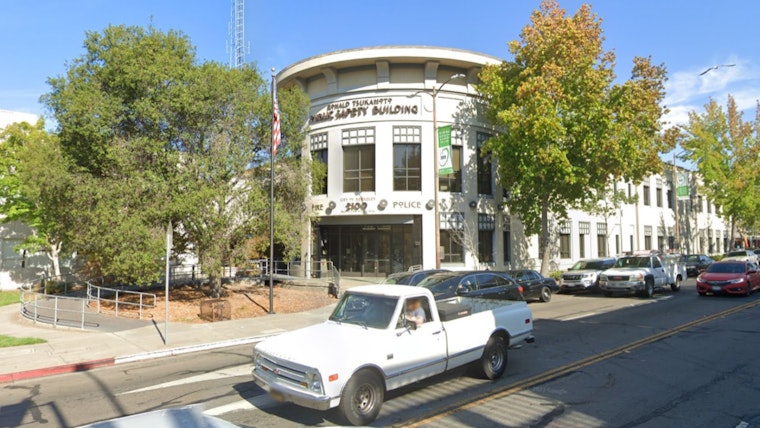
In a decision that has sparked debate among residents and transparency advocates, the Berkeley City Council has voted 8-1 in favor of encrypting police radio communications. This move aligns with the rest of Alameda County's law enforcement agencies. The lone dissenting vote came from Councilmember Cecilia Lunaparra, who cited concerns brought up by the public about the process and the implications for transparency.
The push for encryption, as reported by KTVU, was influenced by state mandates that seek to protect sensitive victim information, this follows a 2020 memo from Attorney General Rob Bonta addressing the risk of real-time broadcasts, and the Berkeley Police Department is developing an online call log with a delay not to surpass 30 minutes to provide some level of public information on police responses; Police Chief Jennifer Louis stated that alternatives to encryption, such as delayed feeds, fail to adequately protect victim information according to the memo's requirements, a point echoed by BPD Sgt. Neil Egbert during his testimony before the council.
Transparency advocates have raised concerns about the reduction in real-time public access to police activities, which they argue is vital for both media reporting and holding law enforcement accountable. Andrea Prichett of Berkeley Copwatch, a former Police Review Commission member, criticized how the policy change would limit their ability to monitor police and assist those whose civil rights may be at risk; she expressed these concerns directly to a Council meeting that was initially set to approve the item without individual discussion, as Berkeleyside reported.
Despite Police Chief Louis's claim that the department remains committed to transparency and police accountability, as she told Berkeleyside, some in the community are skeptical, pointing out that, in recent weeks, timely responses to media inquiries from BPD have been lacking. Local journalists are concerned that access to real-time information on public safety issues will be significantly hindered. Furthering these concerns, some attendees and civic leaders at the Council meeting expressed fear that the encryption decision would reduce public scrutiny and potentially put marginalized communities at greater risk, raising the question.





