

























































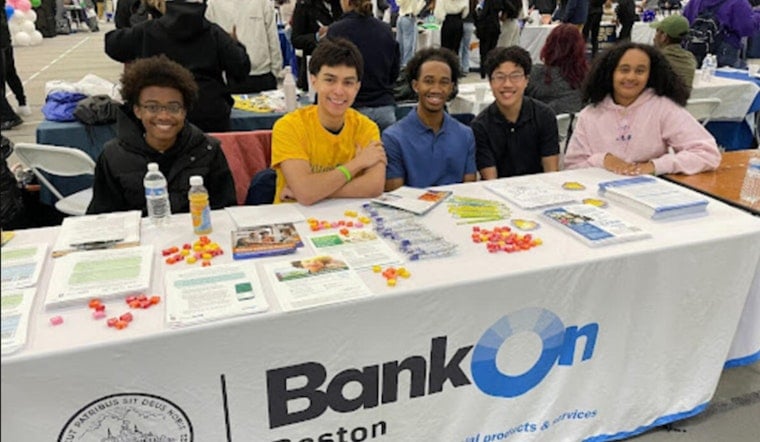
Bank On Boston, as part of its initiative to boost financial literacy among the youth, has rolled out a program that seems to get things right. In partnership with futureBOS, the city's Summer Youth Employment Program, they've launched Young Money Mentors—a project where teens are paid to learn and thereafter teach personal finance to their peers. Not surprisingly, there was an overwhelming response—the program received over 350 applications, signaling a high demand for understanding money matters among Boston's young population, as reported by the City of Boston.
What's special about the initiative, according to the City of Boston, is its comprehensive approach. These teen mentors begin their journey with a 10-hour financial literacy course spearheaded by Jason Andrade of Partnership for Financial Equity, covering everything from budgeting to credit building. After being grounded in the fundamentals, the mentors engage with the community, sharing their newfound expertise at youth events and leading workshops designed to demystify banking and paychecks for their high-school aged peers.
Within the program, every mentor is tasked with creating and leading a financial workshop on topics as varied as the pitfalls of sports betting to the intricacies of cryptocurrency investing. Notably, these workshops were a hit with their audience—120 high schoolers at Emmanuel College, shaping a platform where youths are educated by individuals who literally walk in their shoes, as reported by the City of Boston.
Success stories from the program include students like Mentor Melasia, who presented the Basics of Banking workshop to her AP Chemistry class, demonstrating the ease with which these financial concepts can be integrated into everyday learning. Beyond workshops and advocacy, the program also provided tours of local universities and valuable connections within the financial sector—such as a day spent with Angel Burgado from Santander Bank, as reported by the official statement from the City of Boston.
The Young Money Mentors program is a team effort, not just the work of Bank On Boston. Many local groups have come together to support financial literacy. Funding from the American Rescue Plan Act (ARPA) helped pay the mentors, allowing them to earn stipends while learning important money skills. As the program moves forward, its positive impact is clear. Bank On Boston’s work to build financial skills in young people is something worth paying attention to—and possibly copying, as per the City of Boston.





