

























































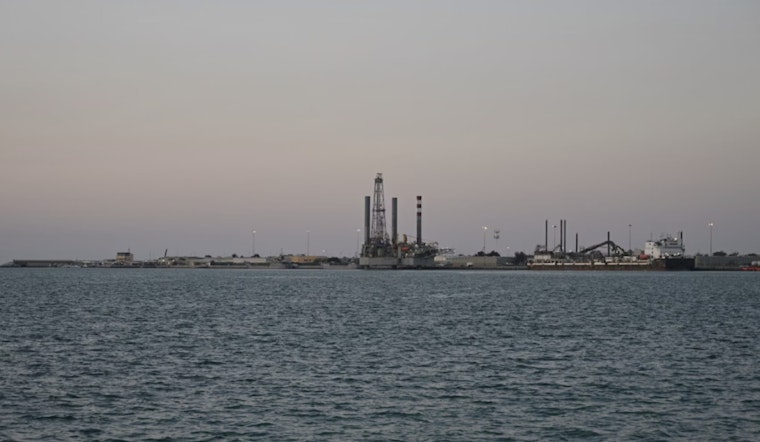
California leaders and environmental groups are railing against a fresh proposal by the Trump administration to expand offshore oil drilling, including areas along the state's coast that haven't seen new drilling since 1984. The plan, put forward by the Department of the Interior last Thursday, eyes an extensive array of potential leases covering about 1.27 billion acres in 21 of 27 existing Outer Continental Shelf planning areas. This controversial move would include six leases off the California shoreline, slated between 2027 and 2030, as reported by ABC10.
Despite claims by supporters that increased offshore drilling could promote national security and energy independence, the backlash has been swift and severe. California Gov. Gavin Newsom slammed the drill plan as "dead on arrival," stating in a post on social media, as per USA Today, “Donald Trump’s idiotic proposal to sell off California’s coasts to his Big Oil donors is dead in the water.” Meanwhile, California Attorney General Rob Bonta made it clear that the leadership in the Golden State stands firm against the administration's intentions. "California takes our responsibility to steward our environment and natural resources seriously – we are not a rich man’s playground, and the President cannot come and extract resources as he pleases," Bonta told USA Today.
The Department of the Interior has defended the drilling expansion as a step to sustain domestic oil and gas production and boost U.S. energy independence. According to the department, if the plan goes ahead, it will usher in the most significant offshore leasing agenda in American history. The proposed offshore leases also target areas off the coast of Alaska and in the Gulf of America, previously known as the Gulf of Mexico, posing risks to diverse ecosystems and species, including Dungeness crab, kelp forests, and coastal wetlands, as detailed in warnings by environmental groups and a statement obtained by ABC10 from Dan Jacobson of Environment California.
But it's not just the ecological impact setting off alarms. As highlighted by Grant Bixby from the Business Alliance for Protecting the Pacific Coast in an interview with ABC10, offshore oil only accounts for a minuscule 5% of the region's GDP compared to the overwhelming 95% generated by industries such as tourism, fishing, and transportation. Amplifying concerns are the painful memories of past oil spill disasters that have tarnished California's coastlines and wrought havoc on local economies and wildlife—an apprehension shared by a swath of environmental groups and lawmakers preparing legal opposition. "Where we feel like federal agencies are breaking the law, California will step up," Wade Crowfoot, California’s Secretary of Natural Resources, declared to ABC10.
The proposal is not without its defenders who outline visions of strength and prosperity through energy security and job creation. Among them, Republican Assemblymember Stan Ellis of Bakersfield argued, "We’re very dependent on foreign oil," and emphasized the importance of achieving energy independence as reported by ABC10. Yet, with the announcement of a public comment period starting Nov. 24, it's evident that the administration's plan will have to negotiate a minefield of litigation and public scrutiny before it can potentially shape the future of America's coastlines. The Interior Department has set preferences for comments to be submitted online on a designated page to be made available when the period opens, solidifying the process as a heated public debate looms on the horizon.



