

























































About 50 students, parents, and volunteers rolled into Cedar Creek Elementary on Friday in a lively "bike bus" — a supervised group ride that swaps long car lines for coordinated neighborhood pickup points. Led by volunteer parents, the weekly caravan arrived with music, helmets, and high-fives. For many families, it’s become part commute, part community ritual, trimming drop-off congestion while giving kids an active, upbeat start to the school day.
Observers counted roughly 50 riders, and families estimate about 15% of Cedar Creek students now arrive by bicycle. "It’s so much fun with parents, kids, music, riding," parent Tim Coek told reporters. Student Mary Coek added, "It’s upbeat, it’s exciting, it’s a great way to start a Friday." A school resource officer follows in a patrol car with lights on to shield riders, as reported by KVUE.
How the bike bus works
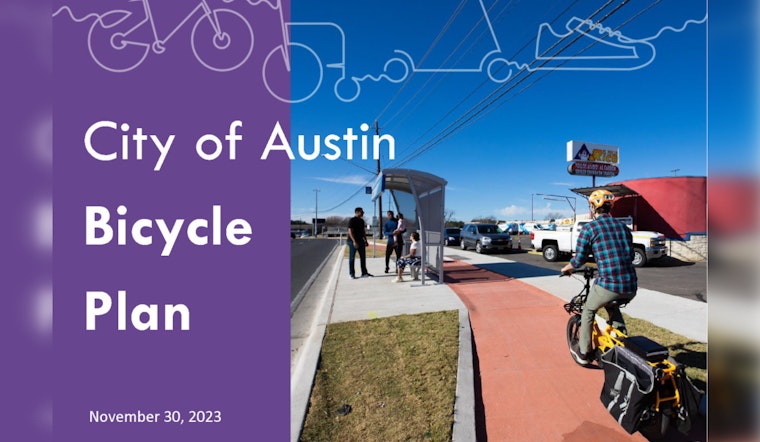
Volunteer leaders map a short, low-traffic route and meet riders at neighborhood stops so younger kids can travel with an adult escort. It works like a traditional school route — just on bikes — and the city’s Bicycle Plan explicitly recommends supporting bike-train and bike-bus programs to boost safe, active travel to school, as outlined by the City of Austin's Bicycle Plan.
City backing and small pilots
City staff view bike buses as a way to reduce congestion around campuses, improve air quality from idling cars, and help students show up ready to learn. "We know that it will reduce congestion, improve air quality around campuses, but it also helps prepare kids for their school day," Jacob Barrett, the city’s Transportation Demand Management program manager, told KVUE.
Why the push matters
Federal travel surveys and national analyses show a steep, long-term drop in children’s walking and biking to school — from more than 40% in the late 1960s to roughly one in 10 in recent surveys — which helps explain why cities are investing in Safe Routes programming and school-based pilots. That historical shift and the health, traffic, and air-quality implications have pushed local officials to try small, practical fixes that encourage active trips, according to the National Academies.
Back at Cedar Creek, parents and volunteers say they hope the Friday ride can expand to more days and more campuses as organizers and city staff explore paid "bike bus leader" roles and broader pilots. The City of Austin’s Safe Routes to School program offers training, bike rodeos, and resources for families and schools looking to start a route, per the city’s program page, and organizers say the community payoff has been immediate.





