

























































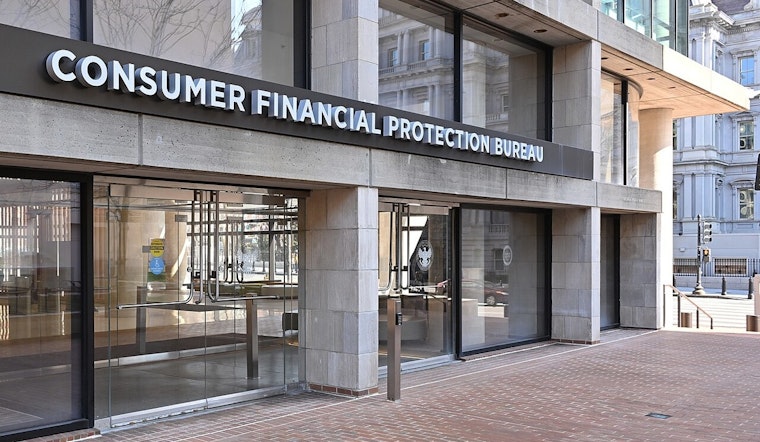
In a recent notice to the court concerning the case NTEU v. Vought, the Consumer Financial Protection Bureau (CFPB) disclosed a financial hiccup concerning its funding stream from the Federal Reserve. According to the CFPB, the Office of Legal Counsel (OLC) has thrown a wrench in the works by determining that, under the current circumstances, the CFPB cannot lawfully request funds from the Reserve.
According to the CFPB, the OLC's opinion highlights the absence of "combined earnings" from the Fed, a prerequisite established by Dodd-Frank for the Bureau’s funding. Essentially, it seems the CFPB's piggybank, underwritten by the Reserve’s profits, is temporarily out of coin. In this waiting game, the CFPB has assured that it has enough in the coffers to maintain operations until December 31, 2025, staving off immediate concerns about its financial health and functionality.
This development throws a spotlight on the Dodd-Frank Act's unique setup for the CFPB, a body designed to operate independently from Congressional appropriations by drawing funds directly from the Federal Reserve’s surplus. This mechanism has been touted as a means to protect the Bureau from political pressures, ensuring it can act without undue influence on its consumer protection mandate. However, the current scenario also reflects the vulnerability of this setup to the ebbs and flows of the Federal Reserve's financial performance.
As the CFPB navigates this challenge, stakeholders and observers are watching closely. The ramifications are not merely technical; they bear the weight of precedent and principle concerning the autonomy of regulatory bodies in the government’s financial oversight architecture. Meanwhile, according to the CFPB, preparations are underway to deal with the outcome of this imbroglio and ensure continuity in their consumer protection endeavors.





