

























































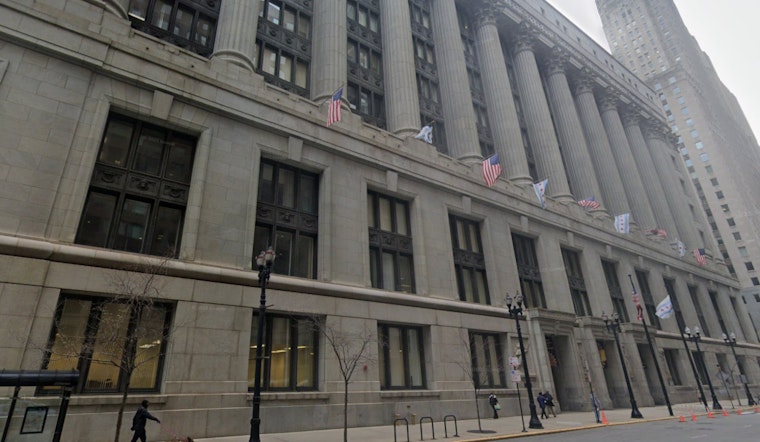
At a City Council budget hearing on Tuesday, Department of Housing Commissioner Lissette Castañeda told members of the budget committee that the city has made measurable progress preserving and producing affordable housing across Chicago. She said the department is closing preservation deals and moving new projects toward construction faster than in previous years. The remarks came as alderpeople began weeks of hearings over Mayor Brandon Johnson’s proposed 2026 budget.
According to The Daily Line, Castañeda told the committee she had "made excellent strides" to maintain and increase the number of affordable units citywide, highlighting recent closings and changes intended to speed projects through permitting and financing.
Green Social Housing and the $1.25B bond
Castañeda has pointed to the administration’s Green Social Housing model and the $1.25 billion Housing and Economic Development (HED) bond as central tools to create permanently affordable, energy‑efficient homes. In an interview earlier this year, she described Green Social Housing as a city‑owned nonprofit developer meant to deliver mixed‑income, low‑cost projects, as covered by WTTW. Reporting and city materials show the bond includes roughly $115–$135 million set aside as a revolving loan fund to seed Green Social Housing projects, according to the Chicago Reader.
Budget math: bonds, TIFs, and one-time revenue
The administration frames the bond as a more flexible capital source than Tax Increment Financing districts, which are expiring across the city and reshaping local revenue flows. City press materials lay out the "Build Better Together" plan and the bond's goals, while coverage of the mayor’s proposed budget notes officials are counting on unusually large TIF surpluses and other one‑time revenues to fill gaps. WBEZ has reported on the scale of those surpluses and the fiscal concerns raised by rating agencies and some alderpeople.
Projects on the ground
The administration points to projects that have already closed with city support as proof that the strategy can work. For example, the Casa Yucatán groundbreaking in Pilsen — which closed with about $15.8 million in city bond support and is expected to deliver 98 affordable units — was covered in Casa Yucatán groundbreaking. Local reporting and city statements say thousands more units have been built, rehabbed, or preserved since the administration took office, reflecting a multi‑pronged pipeline of preservation deals and new construction.
Still, alderpeople at the hearing pressed department staff for specifics on how to convert one‑time windfalls into steady, long‑term funding for affordable homes, and fiscal watchdogs warned that repeated reliance on surplusing could leave future budgets exposed. The coming weeks of council hearings will determine whether the Department of Housing can turn recent momentum into a sustainable pipeline of permanently affordable units.





