

























































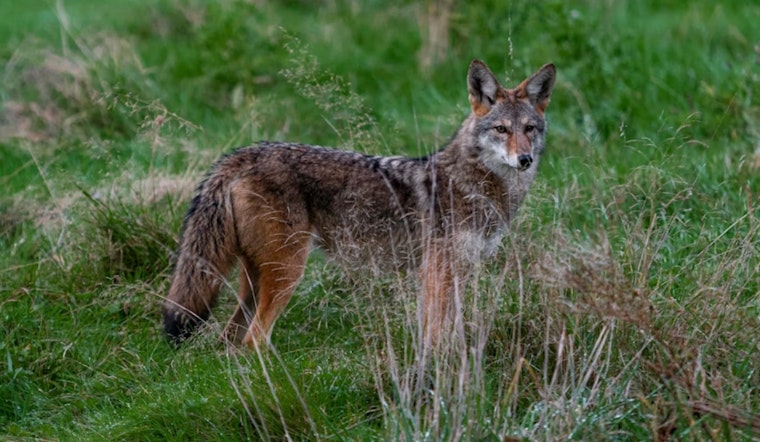
Rustling through the shrubbery of urban life, coyotes have become a more common sight in our city parks and open spaces—and a recent study suggests that these patches of green amidst the concrete could be prime real estate for coyote-human run-ins. According to research led by Emily Zepeda from The Ohio State University, published in Scientific Reports, if you're enjoying a sunny day in Chicago's generously grassy areas, the chances of spotting a coyote on the prowl are not exactly slim.
The study, drawing on data from the Urban Coyote Research Project, confirms that coyotes tend to overlap with human activity a heck of a lot more in open spaces like parks and golf courses rather than in the less inviting asphalt jungles. Amidst human populations, these clever canines probably aren't dallying for the view; they're likely looking for leftovers and places to get cozy away from the harsh city elements. Zepeda told The Ohio State University, "We expect that coyotes are going to spend time in areas and during periods where resources are high and risks are low, and we expect overlap to be high when humans are associated with resources," especially food and shelter provided inadvertently by humans.
But before you think the local coyotes have a penchant for picnics, the study emphasized that there is a lot of individual variation in coyote behavior. While the animals generally give us two-legged city dwellers a wide berth, those whose paths cross ours during daytime hours are likely the crafty few contributing to most coyote-human interactions reported. The GPS-tracked wanderings of 54 coyotes found a 1.8-fold increase in coyote presence in human-dense areas also rich in open spaces—a curious behavior for the typically skittish species.
The researchers strapped GPS collars on these urban adventurers to get a peek into their 24/7 whereabouts. Traffic and pollution—the less savory side effects of human habitation—seemed to discourage furry explorers, as cars pose a major risk to their well-being. With human activity peaking from 6 a.m. to 8 p.m., our garbage may prove to be an irresistible buffet for some brave urban coyotes, dangling the prospects of an easy meal. In other words, those trashy habits are serving up quite the unintended invitation to the local wildlife.
While this particular study zeroes in on Chicago, let's not forget that the coyote's tale is a nationwide urban soundtrack. The growth in their numbers and our ever-thriving love affair with parks and recreational spaces only mean that the plot, much like the coyotes' whereabouts, will thicken. Emily Zepeda is already on to the next chapter—diving into how these encounters shape our views on our wild neighbors. And as city life and wildlife inch closer, a fruitful, or at least a less fraught, coexistence might hinge on our understanding them just as much as they adapt to us.





