

























































Winter in Colorado can be as erratic as a flickering candle, which means drivers should be gearing up to handle anything from blizzards to icy roads; take it from the Colorado State Patrol, who have laid out a clear-cut strategy for navigating the colder months.
Last year's peak for winter-weather crashes occurred in November, with the State Patrol responding to over "2,030 crashes" during that period, as stated by Col. Matthew C. Packard, the chief of the Colorado State Patrol in a press release, they've taken this data seriously, prompting an early call to arms—or rather, to tires and batteries—for all drivers in the centennial state.
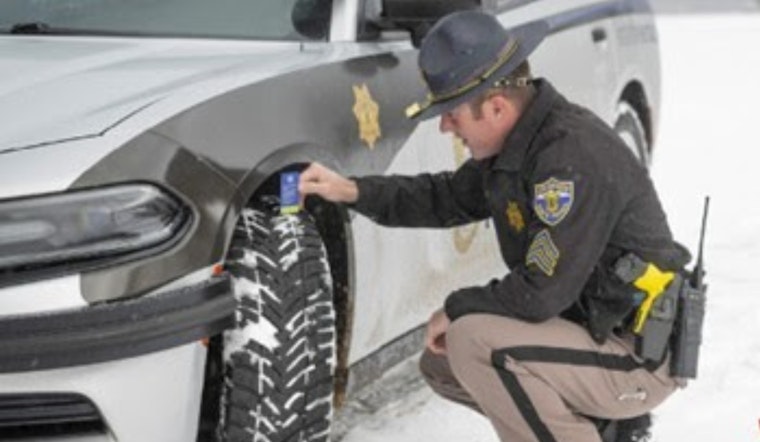
Rolling into the nitty-gritty details, CSP's latest release prescribes a five-pillar approach to winter-proofing your vehicle, starting with the maintenance of your tires—these should have a minimum tread depth of 3/16-inch and be rated for "All weather" or "Mud and Snow." Furthermore, battery care is crucial, suggesting drivers keep their power source fully charged and cozy, utilizing tactics such as parking in warmer locations or even implementing a battery blanket.
As for the car's lifeblood, checking your vehicle's fluids emerges as a top-tier winter prep task; oil changes, filter replacements, and a full windshield wiper fluid reservoir aren't just suggestions, they're imperative for anyone braving Colorado's cold snaps and, visibility, too, cannot be overlooked with recommendations to invest in new windshield wipers and to arm oneself with a trusty snowbrush and scraper before the snow descends, it’s like packing an umbrella before a rainy day, which you and I know, is merely common sense in action.
Last but not least, packing an emergency kit equipped with essentials such as a first-aid kit, shovel, thermal blankets, and snacks can mean the difference between a temporary setback and a life-threatening scenario—being unprepared isn't just a discomfort, it's a risk CSP would rather not see on their winter watch. All these measures coalesce into the 'Winter Ready' campaign a bid by CSP to educate and protect its residents and visitors alike during a season that can too often turn perilous with little warning.



