

























































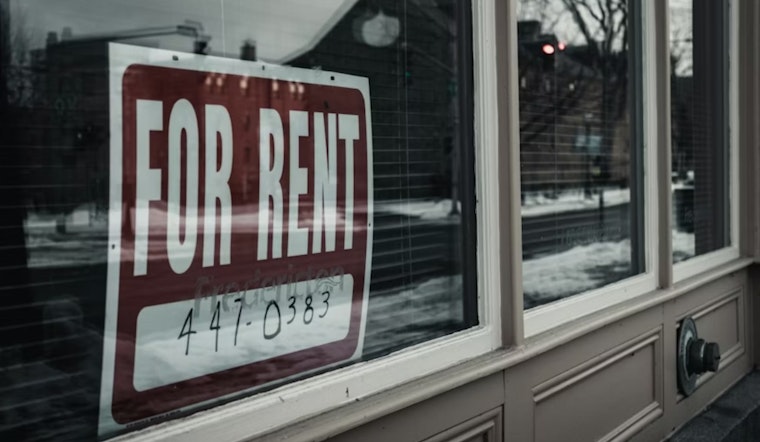
Rents across the Dallas region are finally edging down as new apartment towers keep popping up, but the relief is not exactly trickling into every ZIP code. Many of the newest units are tailored to higher-income renters, while long-time, lower-income households are still straining to cover rising housing costs. Community leaders and housing experts warn that without targeted preservation and tenant protections, simply adding more units will not be enough to keep long-term residents in place.
At a recent housing summit, Alex Horowitz of Pew told local officials that Dallas is one of just six major metros that built enough new housing to nudge market rents down, with a regional average decline of about 1.4% in 2023. He also praised some city moves to make development easier. As reported by KERA News, Horowitz said Dallas is "taking some real steps in the right direction" while warning that some North Texas suburbs have piled on costly requirements or pushed back on the state law that lets developers build multifamily housing on commercially zoned land.
How More Units Affect Rents
A Pew Charitable Trusts analysis finds that adding housing tends to slow rent growth overall and delivers the biggest relief to older, lower-cost buildings. In the markets studied, a 10% increase in housing stock correlated with roughly 5% less rent growth over the period examined. The report describes how new market-rate construction can trigger a chain of moves that frees up older apartments and eases pressure on Class C units. Pew Charitable Trusts published the ZIP-code-level analysis and methodology in July.
For residents in lower-income neighborhoods, that high-level trend can feel pretty abstract. "To us, the lower income people, Clack and brown community, the solutions have to be intentional, otherwise they're not going to be helpful," Gloria Ardilla, a West Dallas community advocate, told KERA News, pointing to Trinity Groves and La Bajada as examples of how new development can push costs up nearby. Advocates at the summit pushed for preservation programs, clearer lease disclosures, and tougher code enforcement to sit alongside market-driven building.
What Senate Bill 840 Does
Senate Bill 840, which took effect Sept. 1, 2025, requires many large Texas cities to allow multifamily or mixed-use residential projects in zoning districts that already permit office, retail or warehouse uses. It also limits how far local governments can go in restricting density, building height, setbacks, and parking for those projects. The enrolled bill text makes it easier to convert underused commercial buildings to apartments by capping certain municipal conditions and by requiring administrative approval in qualifying cases. City staff in places such as Grand Prairie have already posted notices about updating development codes to comply with the new law, and the Texas Legislature and Grand Prairie’s notice explain key provisions.
Why New Buildings Aren't Helping Everyone
Recent local reporting shows that much of the construction boom has focused on Class A, higher-rent properties, leaving a stubborn shortage of homes that lower-income families can afford and a regional gap of tens of thousands of lower-cost units. That mismatch helps explain why average rent relief has been modest and why it varies so much from neighborhood to neighborhood, even where total supply has climbed. The Dallas Morning News and Pew have outlined how market-rate development can still leave lower-income renters behind unless it is paired with preservation efforts and targeted subsidies.
Where That Leaves Renters
For renters on the ground, the outlook is mixed. Some submarkets are seeing posted rents tick down, yet many households remain cost-burdened and at real risk of displacement. Housing experts at the summit argued that supply-side reforms need to be matched with deliberate policies such as tenant protections, preservation funding, and clearer fee disclosures if North Texas wants all those new roofs to translate into genuine affordability for the people who already call the region home.





