

























































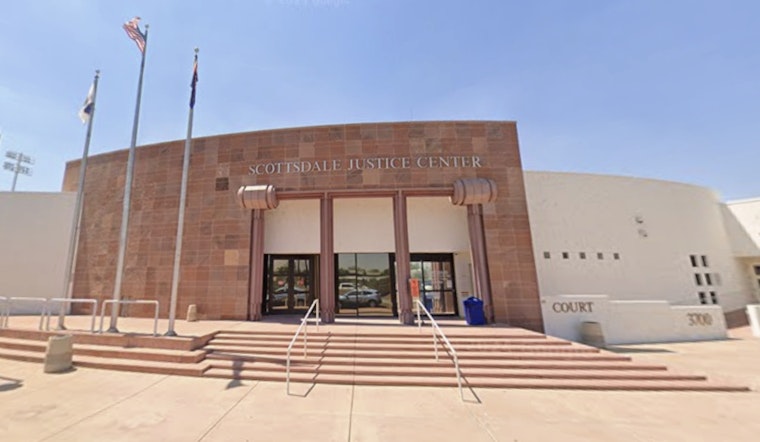
The trial of Ian Mitcham, accused of the murder of Allison Feldman in her Scottsdale home back in February 2015, has entered its second day, bringing forth painful details and stirring courtroom appearances. According to FOX 10 Phoenix, the prosecution laid out a grim scene of Feldman's final moments, claiming she was violently beaten, sexually assaulted, and strangled to death in her own home, while the defense alleges that Mitcham, who laughed and made contact with Feldman's family in the courtroom, had never met her and claimed a pharmacist was the true perpetrator.
Recapping the previous day, a Scottsdale Police detective shared an account of Feldman's boyfriend's distress upon the incident, who volunteered to head to police headquarters. His request to see Feldman one last time turned more direct until the officer feared he might contaminate the scene, stepping between him and the residence calmed him down. Meanwhile, ABC15 reported that the trial is marked by the first use of familial DNA in an Arizona case, a process that became a focal point in a protracted legal battle, but was ultimately permitted by the state Supreme Court as evidence in the trial.
In an attempt to build a comprehensive case, prosecutors are leveraging DNA evidence, bank records, witness testimony, and even details like Mitcham's car, according to ABC15. The defense, on the other hand, is pointing fingers towards an unnamed former Valley pharmacist, suggesting he lived close to Allison and had something to do with the murder; this defense strategy emerges even as the first witnesses take the stand, with Feldman's boyfriend recounting the gruesome discovery of her body.
Allison's father, Harley Feldman, conveyed to ABC15, the depth of his resolve, attending the trial and bearing witness to harrowing testimony, even planning to return to Minnesota for a memorial ceremony organized by a grief group he is involved with. Harley's dedication underscores his daughter's memory as "the sweetest, most helpful person." While there is a pause in the trial until the following Monday, the father's perseverance and the shadow of the case linger, carrying the weight of a quest for justice that has spanned over a decade and transformed not just a family, but the very fabric of legal proceedings in Arizona through its controversial but ultimately permitted use of familial DNA.




