

























































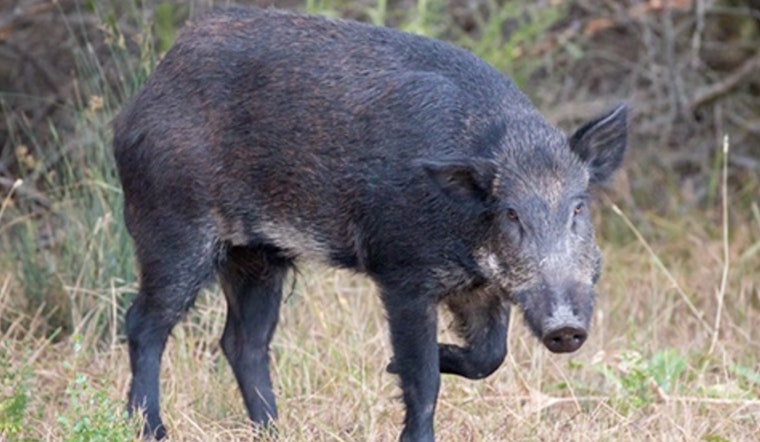
Feral hogs have turned a quiet Hill Country enclave into a dirt-filled disaster zone, ripping up front yards overnight in the Stonewall Estates neighborhood next to Friedrich Wilderness Park. Flowerbeds? Shredded. Sprinkler lines? Exposed and mangled. Neighbors say the animals are showing up more often, with trappers and city crews scrambling to keep pace as suburban San Antonio keeps pushing deeper into Hill Country habitat.
“It’s been amazing to me — over the last year and a half, the more and more phone calls I’m getting from neighborhoods,” Long told KSAT. The station shared trail‑camera images from Friedrich Wilderness Park and reported that Stonewall Estates has seen multiple front yards torn up, with Long estimating roughly 20 houses affected. It’s the kind of mess homeowners say is pushing them to demand a coordinated response.
Big picture, Texas A&M’s Natural Resources Institute says feral pigs cost the state’s agricultural sector more than $670 million in 2024. The institute has rolled out a new extension guide for small-acreage and metro landowners, stressing that in built-up areas, trapping, fencing and neighbor-to-neighbor coordination are the best bets. The catch: trapping isn’t cheap, and doing it wrong can make hogs trap‑shy or shove the problem onto the next block. Some methods also come with regulatory hoops to jump through.
Why the animals are moving closer to neighborhoods
Experts point to a cocktail of growth, drought and seasonal weather nudging hogs into subdivisions and parks. The Houston Chronicle reports that construction, dwindling natural forage and cooler spells that ease heat stress are driving more daytime foraging — and more sightings — across metro corridors statewide.
What San Antonio is doing
The city has hired professional trappers to pull hogs from parklands and natural areas, including Friedrich Wilderness Park and the Medina River corridor. San Antonio approved a trapping contract in 2023 that funds mobile traps, processing and removal through a vendor, with an aim to rotate traps where needed to shield parks and nearby neighborhoods, according to Texas Public Radio.
How homeowners can protect yards and pets
Wildlife specialists — echoing Texas A&M’s guidance — say to lock down trash, bring in outdoor pet food, and eliminate standing water. Document any encounters with photos or video and report sightings to your HOA or local authorities so neighbors can coordinate. One more thing they’re adamant about: don’t try DIY solutions that are dangerous or illegal in dense neighborhoods. Amateur shooting and sloppy trapping can make things worse; pooling resources to hire experienced trappers usually works better.
Legal and health considerations
State rules treat feral hogs as unprotected, non‑game/exotic animals, meaning they can be taken year‑round on private land. Inside city limits, it’s a different story: San Antonio generally bans discharging firearms, and toxicants are tightly regulated. City and county guidance also warn about diseases like swine brucellosis and pseudorabies that threaten people, pets and livestock (City of San Antonio Animal Care Services; Houston Chronicle).
What experts want to see next
Long has been pushing education and neighborhood-level plans that fit city ordinances and keep people safe — a theme echoed in local reporting. Around Friedrich, residents say they want faster, scaled trapping and clearer coordination so their lawns (and pets) aren’t the front line of a statewide problem that’s edging deeper into suburban life.





