

























































Homeowners in the Greenshores on Lake Austin subdivision are set to see roughly $200,000 flow back their way after months of sewage backups, leaks and a grinding series of regulatory fights with the private utility that serves the neighborhood. The payouts follow reports of raw sewage in yards and reaching Lake Austin, and a closer look from state and utility regulators at how the grinder-pump system was being operated and maintained. The dispute has also put a controversial rate increase the company sought for the neighborhood on ice.
Undine LLC told KVUE it reimbursed homeowners for repairs totaling about $200,000 and that it “accepted responsibility” for maintenance and repairs in the Greenshores system. The company told the station the reimbursements were part of a settlement tied to its pending rate filing and that decisions about grinder-pump repairs in other Undine systems would still be handled on a system-by-system basis.
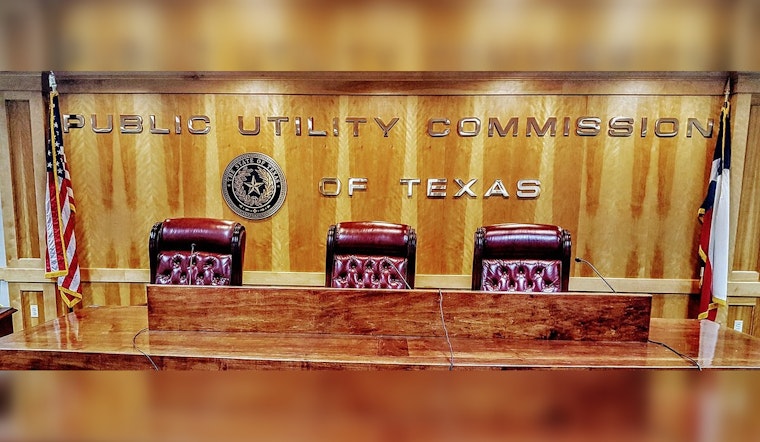
The about-face followed action at the Public Utility Commission of Texas, which found the utility’s tariff did not clearly spell out who owned the grinder pumps and concluded that when a tariff is silent, customers are not responsible for routine maintenance. Public filings in Docket No. 53373 show the commission adopted portions of a SOAH proposal for decision and found that Undine violated state rules when it refused to repair a complainant’s pump in 2022, according to the Public Utility Commission of Texas.
Austin officials jumped into the fight as well. City staff recommended rejecting the company’s requested increases, and the City Council used its authority to suspend or deny the filing for customers inside Austin city limits. Internal workpapers indicated the proposal would have raised drinking-water rates by about 28.6% and wastewater rates by roughly 75.8% before council intervened.
State environmental investigators with the Texas Commission on Environmental Quality found the Greenshores grinder-pump collection system was nonfunctional and leaking, and residents told reporters sewage overflowed into yards and Lake Austin, which supplies drinking water to parts of the city. Those findings, along with the utility’s initial refusal to reimburse residents, were laid out in coverage by KVUE, which began investigating the complaints earlier this year.
Homeowner Costs And Public Records
Neighborhood associations and individual homeowners submitted testimony, expense worksheets and public comments to both the city and the Public Utility Commission that documented repair bills and replacement invoices. Those materials were folded into the city’s meeting packets and work papers for council hearings, and included association exhibits and detailed spreadsheets that Austin staff and council members cited during deliberations.
Legal Implications
The PUCT’s action highlights a key regulatory principle: when a utility’s tariff does not clearly assign maintenance responsibility to customers, the utility itself can be held responsible for routine upkeep. Docket materials show the commission adopted parts of a proposal for decision, found that rules had been violated and referred service issues to its Division of Compliance and Enforcement for further review. The signed order and related filings are available on the Public Utility Commission of Texas online docket.
For Greenshores residents, the reimbursements offer some immediate relief, but city and state leaders say the case has exposed gaps in oversight for small, investor‑owned utilities that rely on grinder pumps. The rate case and any follow-up enforcement are expected to be closely watched by regulators and by other neighborhoods served by private water and wastewater systems.



