

























































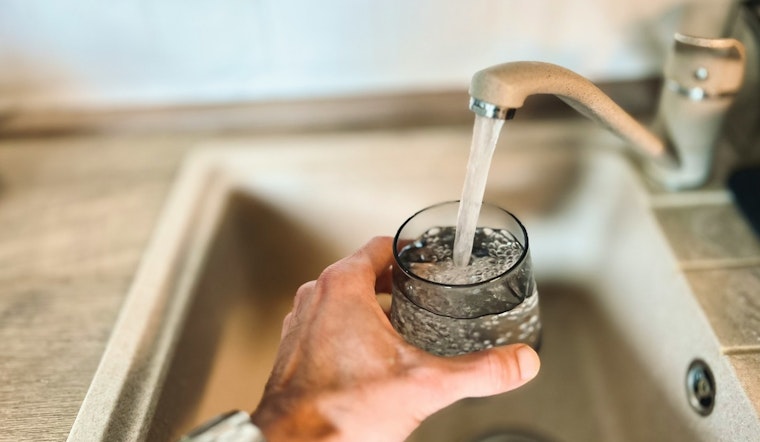
Portland residents who take their water from the Bull Run Watershed may want to keep an eye on the quality of their drinking water. Recent monitoring has revealed the presence of Cryptosporidium, a potentially harmful microorganism, in the city's primary water source. While the levels detected are low, the Portland Water Bureau is proceeding cautiously, continuing its routine monitoring and working on long-term solutions.
From November 16 to November 19, Cryptosporidium oocysts were found in the water, with amounts slightly increasing each day. Specifically, on November 16, one oocyst was detected, followed by two in the next two samples, and three in the sample from November 19. According to a Portland Water Bureau release, the last detection before this series was on November 11, 2025. This microscopic pest can cause cryptosporidiosis, which presents as diarrhea, vomiting, and stomach pain.
Though the detections are concerning, public health officials have advised that additional precautions are not necessary at this time for the general population. However, for people with weakened immune systems, such as those undergoing chemotherapy or living with AIDS, the situation is more serious. The CDC cautions individuals to consult their healthcare providers about the safety of drinking tap water. Notably, the Environmental Protection Agency has echoed this advice.
While the bureau does not yet treat water for Cryptosporidium, they are slated to begin doing so by September 30, 2027. Interim measures to ensure water safety include protective actions for the watershed and increased monitoring efforts. Water providers that rely in part or solely on the Bull Run Watershed have been alerted and are keeping their customers informed about the situation. For residents looking to confirm their water source, the Portland Water Bureau suggests making direct contact with their local drinking water provider.
Results of water testing and further updates can be found on the City of Portland's website, where the bureau pledges to "notify the media and public immediately should further test results indicate a risk to public health and precautions are necessary." Concerned individuals can also reach out to the Water Quality Line at 503-823-7525 for specific questions about their drinking water quality.



