

























































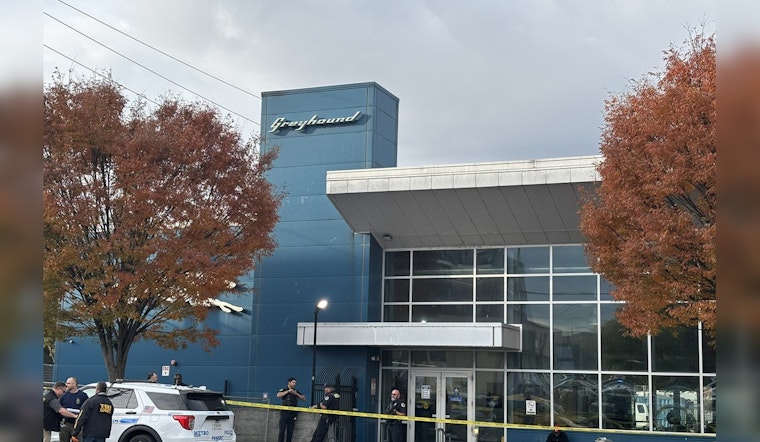
Early this morning, an unfolding situation at a downtown Nashville Greyhound bus station led to the fatal shooting of a man by Metro Nashville Police Department officers. The officers were responding to a call about an individual threatening self-harm at the station located on Rep. John Lewis Way around 6 a.m. A witness reported that the man claimed to possess a gun, and he reached into his backpack, which resulted in two officers discharging their weapons and the subsequent death of the man at Vanderbilt University Medical Center, as reported by WSMV.
The incident prompted a considerable police presence, with the area around the intersection of 4th Avenue South and Lafayette Street becoming quickly cordoned off. The Tennessee Bureau of Investigation is looking into the event, while two involved officers have been placed on routine administrative assignment. These findings detail that, despite calls for assistance, the MNPD's mental health unit, Partners In Care, was not present due to their availability being limited to day and evening shifts. The man, as of yet, remains unidentified, and no gun was found in his backpack upon inspection by the TBI. Nashville Police spokesperson Don Aaron said Partners in Care typically respond only after a scene has been stabilized and de-escalated, in a statement obtained by FOX17.
Officers confronted the man after reports of concerning behavior, according to The Tennessean. Police Chief John Drake said during a news conference that the man made references that he had a gun. When the individual reached into a backpack and then withdrew his hand, officers opened fire, fearing for their safety. Authorities said body camera footage from the officers is expected to be released to provide further clarity on the incident.
The shooting has escalated concerns regarding safety in the neighborhood, with local business owner Nate Stoner telling The Tennessean, "It's a shame that it got this bad," referencing the ongoing crime issues in the area. Stoner expressed his desire for increased patrols, which had briefly improved the situation before. "I would hope that they would send more patrols," Stoner said, “They did for a few weeks a couple months back, and it seemed like it was getting better out here, but obviously it's kind of back to where it was. So I think more patrols, especially at night, would be helpful.”





