

























































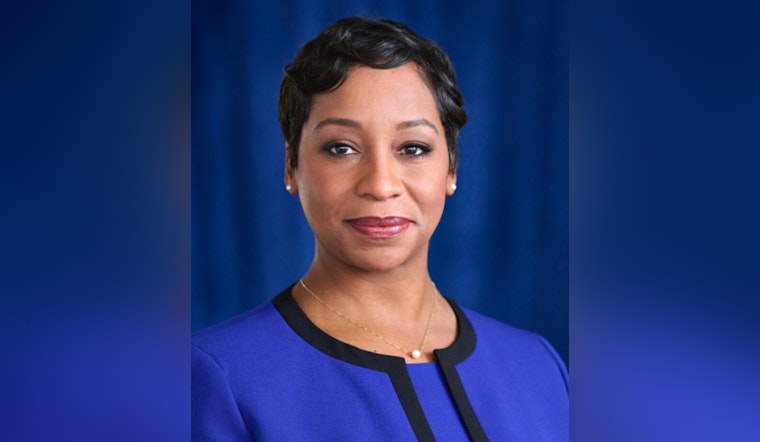
Massachusetts Attorney General Andrea Joy Campbell, leading 21 attorneys general, has filed a lawsuit against the U.S. Department of Education to block new rules limiting eligibility for the Public Service Loan Forgiveness program. The rules, set to take effect in July 2026, would allow the government to deny forgiveness to state, local, or nonprofit organizations under certain conditions, according to the Commonwealth of Massachusetts.
The lawsuit raises concerns for public sector workers who could lose loan forgiveness after a decade of service. Campbell said, "For decades, the Public Service Loan Forgiveness program has enabled talented, service-minded individuals to build careers helping others – with the promise that their sacrifice would be honored with loan forgiveness," and added, "the Trump Administration has shown once again that it chooses cruel ideology over fairness and the law," as reported by the Commonwealth of Massachusetts.
A group of states and local governments filed a lawsuit challenging the Department of Education’s new rule, calling it "flatly illegal." They argue that the Public Service Loan Forgiveness program guarantees forgiveness for all full-time workers in qualifying public service and that the Department cannot exclude borrowers based on ideology. The rule’s "substantial illegal purpose" standard is described in the suit as arbitrary and selectively applied. The plaintiffs are asking the court to declare the rule unlawful, cancel it, and stop the Department from enforcing it. The lawsuit is led by the attorneys general of New York, California, and Colorado, and joined by officials from 17 other states and the District of Columbia, along with private plaintiffs and local governments, as stated by the Commonwealth of Massachusetts.





.jpg)