

























































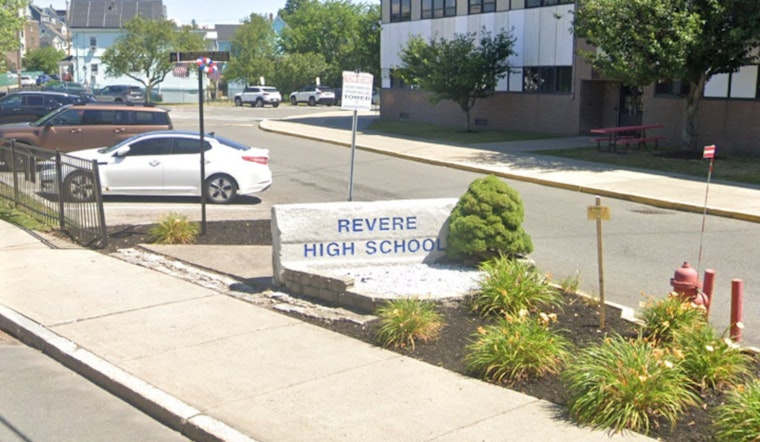
The Healey-Driscoll Administration has awarded $9.1 million in grants to help prevent and address substance use among teens in Massachusetts. During a visit to Revere High School, state officials, including Secretary Kiame Mahaniah and Senator Lydia Edwards, held a roundtable to highlight programs that support youth showing early signs of substance or behavioral health issues, according to the Commonwealth of Massachusetts.
This financial booster shot is divided between two specific programs: the High School Co-Occurring Response Teams program receiving $1.9 million for high school students, and the School- and Community-Based Targeted Intervention program procuring $7.2 million focusing mainly on middle schoolers, the necessity of such programs is underscored by the troubling escalation in mental health and substance use risks among the young, as reported by the Commonwealth of Massachusetts.
"These investments allow schools and behavioral health organizations to work hand-in-hand to intervene at a critical time and connect youth with the services they need to thrive," Secretary Mahaniah told those gathered at Revere High School, affirming the commitment to steer the Commonwealth's youth onto healthier, more fulfilling trajectories, providing intervention, diversion, and treatment services, but also empowering students, so they develop skills to self-regulate behavior, and the latest grant award endorses this mission, funneling finances into two new and six existing programs across the state all sites are benefiting from a $185,000 annual contract, as stated by the Commonwealth of Massachusetts.
Many schools and community behavioral health providers were chosen for their strong work with youth and their focus on racial and health equity. These groups will help create quick and effective referral systems once the program begins. Providers like Behavioral Health Network and Beth Israel Lahey Health were among those recognized in the Commonwealth of Massachusetts release.
Public Health Commissioner Robbie Goldstein commented on the effectiveness of these programs, "By focusing on prevention and early intervention, these programs address the root causes of behavioral health challenges before they escalate," and indeed, the aim is a proactive approach that manages potential crises at their budding phase, laying a foundation for youths to withstand the pressures of drugs, tobacco, and alcohol use, as obtained by the Commonwealth of Massachusetts.
Administered by the Substance Abuse and Mental Health Services Administration (SAMHSA) through the State Opioid Response (SOR) federal grant, this initiative underscores the priority to mold a resilient future generation that can navigate the obstacles posed by peer pressure and other societal ills, as noted in the same Commonwealth of Massachusetts publication.



