

























































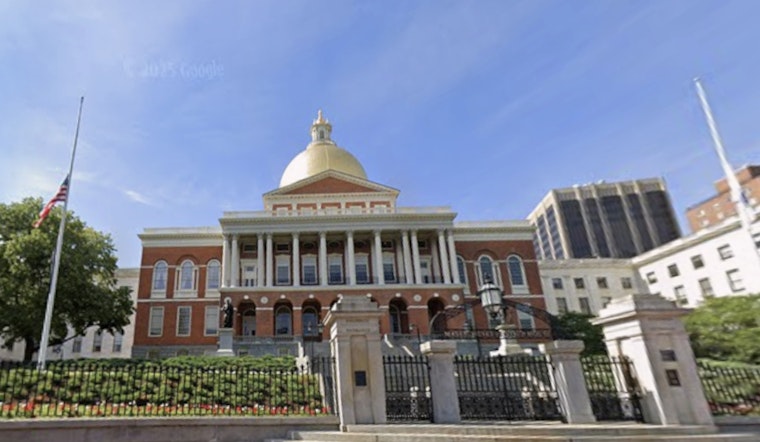
Massachusetts Governor Maura Healey has signed a substantial $2.3 billion supplemental budget targeting key areas, including healthcare, education, and public safety. The budget makes strides toward reducing costs for families by, among other initiatives, offering universal school meals and financial aid for higher education students, according to a statement on the state's official website. In response to potential federal cutbacks, one notable element is the budget's provision for childhood immunizations, specifically stating that the Department of Public Health (DPH) can set its own immunization requirements in the state if federal standards falter.
The budget also aims to uphold public health with funds directed toward hospitals and an information campaign educating MassHealth members about new federal work requirements. With regards to public safety, the legislation includes measures such as criminalizing the false impersonation of a federal official, including ICE agents, and ensuring State Police troopers who are incapacitated on duty receive full compensation until retirement. In a move responding to ramifications from the federal shutdown, Governor Healey has put a moratorium on evictions and foreclosures for federal workers, extending relief for an additional 75 days into early 2026. The budget "represents our commitment to delivering for people on what matters in their lives," Healey was quoted as saying on the Commonwealth of Massachusetts official website.
Key fiscal players have praised the budget for its balanced approach and fiscal responsibility. Lieutenant Governor Kim Driscoll highlighted the efforts to close the financial year on a balanced note, gearing Massachusetts communities for success. Administration and Finance Secretary Matthew J. Gorzkowicz expressed satisfaction with the legislature's partnership in creating a sustainable economic future for the state. Lawmakers shared this sentiment, with Representative Aaron Michlewitz and Senator Michael J. Rodrigues lauding the balance achieved in this budget, which also addresses a broad array of other needs — such as maintaining hospital operations, funding snow and ice removal, and ensuring equitable access to anti-hunger programs.
Funded projects in the budget include an allocation of $10 million to the Health Care for All campaign to inform the population on Medicaid work requirements and federal changes to vaccine policy, as well as funds to support operations at the Department of Transitional Assistance to address any changes to the Supplemental Nutrition Assistance Program (SNAP) by the federal government. The budget signals a firm stance by Massachusetts leaders in contrast to federal policy directions. Senate President Karen E. Spilka stated, "Our message is clear: while the federal government plays games with people’s livelihoods and health, Massachusetts stands firmly on the side of providing our residents and communities the support they need," she told the Commonwealth of Massachusetts official website.
Further investments are a clear indication of Massachusetts' commitment to various sectors, including education, with excess Fair Share funds going toward the Student Opportunity Act and substantial financial aid for the upcoming academic year. Other highlights include funding to support costs related to hosting the 2026 World Cup and a provision by Governor Healey making state institutional records over 75 years old publicly accessible, thereby enhancing transparency and accountability in accordance with recommendations from the Special Commission on State Institutions.





