

























































The Healey-Driscoll administration in Massachusetts is emphasizing the role of school breakfast programs. During a visit to Springfield Public Schools, officials presented data on these initiatives, including a 36 percent increase in school breakfast participation from 2019 to 2024. According to a statement from the Commonwealth of Massachusetts, breakfast consumption has risen by 78,000 students, with a total of 292,000 students now beginning their day with a school-provided meal.
Lunch participation continues to exceed breakfast consumption. In fall 2024, 595,000 students ate lunch, nearly double the number who ate breakfast. The administration, in collaboration with Andrea Silbert, President of the Eos Foundation, and Sodexo, is working to increase breakfast participation, noting its role in supporting students’ focus and performance during the school day. Efforts also include addressing the broader effects of federal SNAP changes through Governor Maura Healey's Anti-Hunger Task Force.
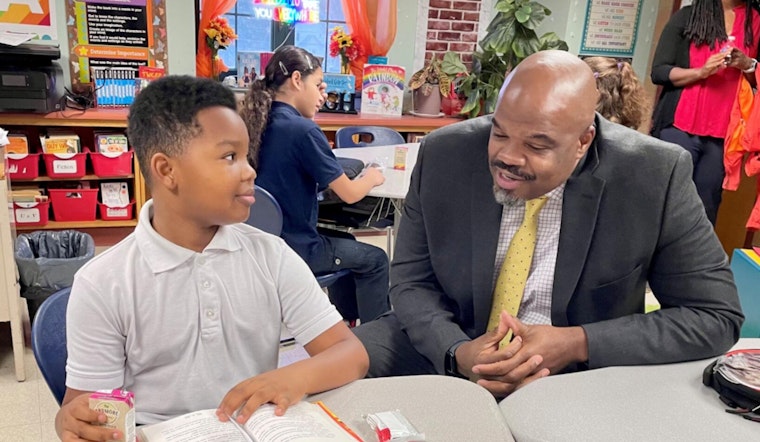
Education Secretary Patrick Tutwiler and Director of the Office for Food and Nutrition Programs Rob Leshin visited the Rebecca M. Johnson School to observe the Breakfast in the Classroom program and tour Springfield’s Culinary and Nutrition Center. The center, operated in partnership with Sodexo, uses increased revenues from school breakfast reimbursements to source 26 percent of its food locally and prepare meals from scratch. In an official announcement, Tutwiler said, “It was wonderful to be in Springfield today to see the impact of Breakfast in the Classroom firsthand. Springfield is a model for meeting children where they are, sustaining high breakfast participation, and incorporating local products with meals made from scratch.”
Springfield Public Schools experienced a notable increase in participation in the Breakfast in the Classroom program, rising from 44 percent in 2015 to 85 percent in May 2025. In an official announcement, Commissioner Pedro Martinez said, “Learning is a struggle for students who are hungry, and I’m glad to see the increased number of students eating school breakfasts.” Nurse visits related to hunger also decreased by 26 percent, indicating the program’s impact on student health and focus.
The Eos Foundation, which has supported breakfast initiatives since 2013, has contributed more than $350,000 to Springfield's program. In an official announcement, Andrea Silbert said, “SPS is currently serving 87% of their students breakfast in the classroom each day. Springfield is a national model for this program.” State law requiring schools participating in the National School Lunch Program to provide breakfast has established a framework for various models of morning meal distribution, aiming to ensure that no child begins the day hungry.



