

























































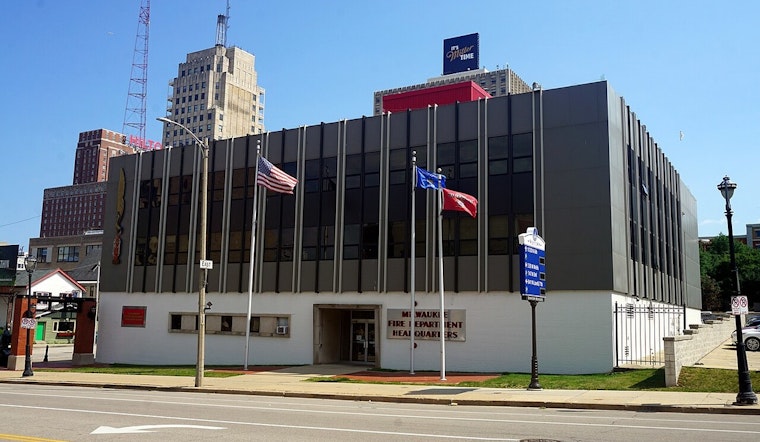
Mayor Cavalier Johnson of Milwaukee has wielded his veto power on key parts of the 2026 city budget, notably slashing an $8 million amendment intended for the fire department's aging fleet. The mayoral vetoes, announced Nov. 18, come amidst concerns over the financial strain such moves would place on taxpayers. Johnson's line-item vetoes touched on a variety of council-approved allocations, including expanded Sunday library hours and additional funding for city employee residency incentives.
Johnson, in an effort to strike a balance between fiscal responsibility and city needs, proposed instead to add $4 million in borrowing for new fire trucks, supplementing the $2 million he initially suggested. According to WISN, Johnson stated, "What I do support is adding $4 million in borrowing for fire trucks in addition to the $2 million I initially proposed. That would represent the largest annual investment the city has ever made in fire truck replacement."
The vetoes have sent back the budget to the Common Council, which will have the opportunity to override or approve Johnson's decisions on Nov. 25. Milwaukee Fire Chief Aaron Lipski had previously called attention to the dire state of the fire department's fleet, noting that more than half of their 60 engines and ladder trucks exceed the National Fire Protection Association's recommended 15 years of service, as per a statement obtained by Spectrum News 1.
Amidst the budgetary tug-of-war, response from the Common Council has been one of commitment to community needs. Ald. Marina Dimitrijevic expressed disappointment in the mayor's veto, specifically regarding the expansion of library hours. "A lot of this, I thought, was somewhere meeting in the middle, and, again, being responsive to what we heard," Dimitrijevic told Journal Sentinel. Mayor Johnson has encouraged further discussion with the Common Council to explore how some of the proposed amendments could be sustainably implemented without putting undue burden on Milwaukee’s taxpayers.
The vetoes underscore a mayoral emphasis on forward-looking fiscal prudence, as Johnson highlighted the potential long-term impacts of increased spending. "City government must be sensitive to the financial pressures facing our constituents," Johnson said, pointing out that homeowners in the 7th, 8th, 12th, and 15th Aldermanic Districts would face a sharper tax increase. The contentious budgetary process reflects the challenges faced by urban governance in an era of financial uncertainties and evolving public needs, as reported by the Journal Sentinel.





.jpg)