

























































Michigan is stepping up to tackle the often-sidelined issue of menopause through a recent series of conversations aimed at increasing awareness and support for women in their midlife. As noted by the Michigan Department of Labor and Economic Opportunity, these interactions are not just promoting better health but are also seen as a "smart investment in our workforce and our economy." Susan Corbin, director of the department, emphasized the value of supporting women throughout their careers, a move that correlates with productivity and economic resilience.
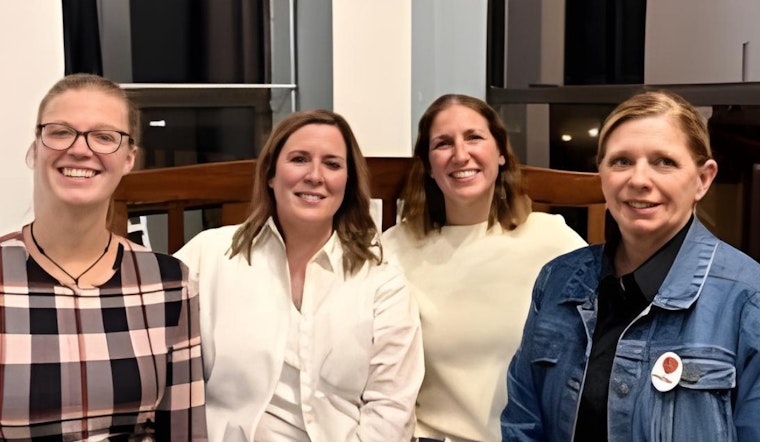
One recent event in Alpena, moderated by Mayor Cindy Johnson, created a safe space for women to openly share experiences and concerns about menopause. The inclusion of experts like Dr. Anna McKenney, Wynne Tezak, and Kristine Spicer, underlines the demand to crossly educate not only the public but healthcare providers themselves on menopause. Dr. McKenney, an OB/GYN at MyMichigan Health, voiced, "the lack of education on menopause for health professionals, including OB/GYNs, is one of the biggest things I would change," a sentiment she shared in a statement per the Michigan Department of Labor and Economic Opportunity. She echoed the necessity for more extensive training for healthcare professionals to better serve their patients.
The scope of this influence is not insignificant – a Mayo Clinic study cited in the conversations put the annual cost of worker productivity losses due to menopausal symptoms at about $1.8 billion in the U.S. With women comprising 51% of the population, this demographic shift underscores a critical need to address menopausal care as a public health and economic concern. Kristine Spicer, owner of LeFave Pharmacy and Compounding, highlighted the importance of conversations around menopause in breaking the isolation and stigma often felt by women during this time. "Conversations like these are so important because they provide women not only with information and resource on a stage, they’ll be spending half of their life in but also gives them a safe space and sense of community where they don’t feel like they have to hide and shrink into themselves," Spicer told the Michigan Department of Labor and Economic Opportunity.


