

























































The Aging and Adult Services Division (AASD) and Disability Services Division (DSD) have released their latest dispatch, elucidating the impact of federal autism announcements on Minnesota's policy and service landscape. Specifically, the statements touched upon autism prevalence, maternal health, and the sphere of treatment research, setting the stage for extensive policy evaluation and potential adaptation.
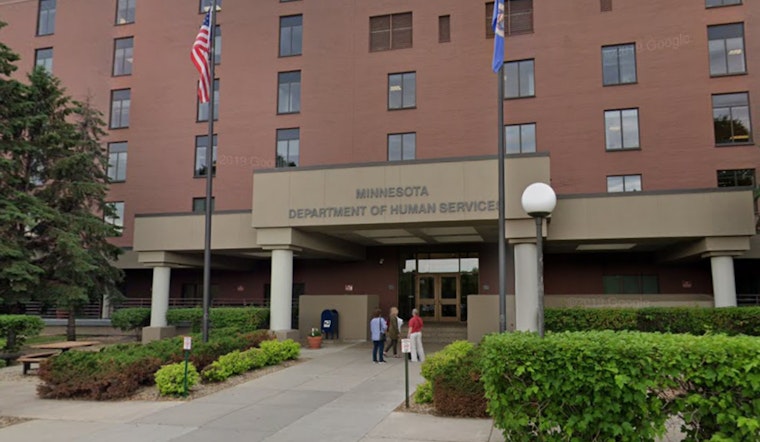
In light of these announcements, the Minnesota Department of Human Services (DHS), in concert with the Department of Health, is assessing the aftershocks and how they will redefine state policy, coverage, and the support network for families. As part of this contemplation, the DHS has disseminated a bulletin, which includes a series of frequently asked questions paired with current insights anchored in the best available evidence and official steerage, per the digest released on November 11th.
Moreover, the divisions addressed other high-priority issues over the past week, including the announcement on November 10th regarding actions on program integrity and the response to fraud—a joint message from AASD and DSD. This announcement is part of the divisions' commitment to maintaining the highest standards in the administration of their services and stewardship of resources.
The divisions don't operate in isolation; they echo communications from other DHS sectors that affect the constituents they serve, one such being the recent "Assisted Living Report Card updates." Shared with stakeholders, these updates represent ongoing efforts to refine tools that help Minnesotans make informed decisions about assisted living facilities. The importance of transparency in quality care cannot be understated, with policy maneuvers and regulatory strategies consistently evolving in response to the needs of the public, and assessments such as these play a pivotal role in guiding consumer choice.
All in all, the AASD and DSD continue their endeavour to ensure that individuals with aging concerns or disabilities, their families, and service providers are kept abreast of developments that might influence their lives and livelihoods. As the federal declarations ripple through the policy ponds of Minnesota, the DHS stands vigilant, ready to adapt and advocate for the well-being of its diverse tapestry of citizens.





