

























































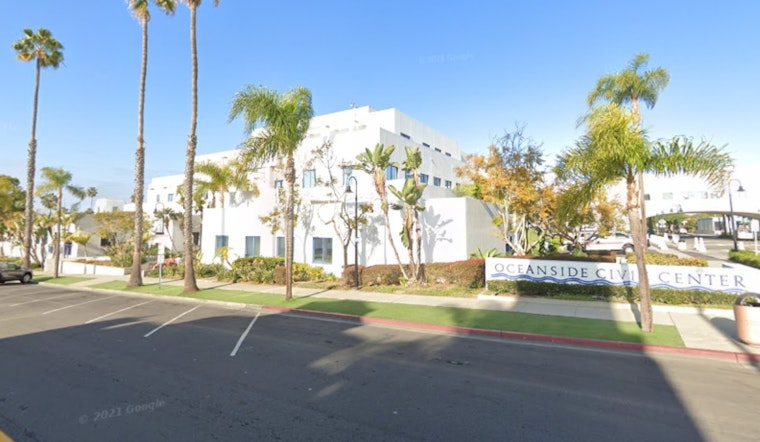
Five North County mayors want to dust off a familiar — if divisive — tool to bankroll affordable housing and infrastructure. At a recent North County Mayors Forum, leaders from Oceanside, Encinitas, San Marcos, Carlsbad and Solana Beach argued that state housing mandates won’t work without a local subsidy mechanism. Their pitch: revive redevelopment agencies, or something like them, to close a long-running funding gap.
Mayors Make Their Case
Moderated by Voice of San Diego reporter Tigist Layne, the forum drew a blunt assessment from several North County leaders about costs, timelines and what cities can realistically deliver. Regional coverage of the Oct. 23 event outlined the lineup and their concerns — including comments from San Marcos Mayor Rebecca Jones and Oceanside Mayor Esther Sanchez — according to The Coast News. As Jones told the forum, “We spent about $170 million in investments, not just for housing, but for infrastructure as well,” a figure she used to show what redevelopment dollars enabled.
How Redevelopment Worked
Redevelopment agencies date back to the California Community Redevelopment Act of 1945, when cities were given broad authority to tackle so-called blight — a word that carries a lot of history. State law later required a housing set-aside: a 1976 statute still on the books directs not less than 20 percent of tax-increment revenues to low- and moderate-income housing, per Justia. That blend of powers and set-aside rules is why many local officials say RDAs were uniquely useful for gap financing.
Wins, Mistakes and Money
There are examples of both clear gains and real harm. A federal HUD working paper credits redevelopment work with turning around downtown Vista — adding more than 40 businesses, roughly 700 jobs and encouraging more than $55 million in private investment. Redevelopment funds also underwrote major San Diego projects: downtown’s redevelopment arm put up a significant share of public financing for Petco Park, with public sources covering roughly $301 million of the stadium’s total public funding, according to local historical analysis. But federal and local reviews also document abuses — misuse of eminent domain, misallocated housing funds and mismanagement in some agencies — fueling the political backlash that followed.
At The State Level
Some lawmakers have floated bringing back RDA-like tools. Assemblymember David Alvarez — who served on the San Diego City Council during the redevelopment era — told Voice of San Diego that members with local-government experience view redevelopment as a useful financing mechanism. Alvarez authored Assembly Bill 1476, a 2023 proposal to create agencies with powers similar to the old RDAs; the bill’s text and status are captured in legislative records. Even supporters say any revival would need tighter guardrails than some past agencies had.
Legal and Budget Risks
Opponents point to the fiscal and legal reasons RDAs were dismantled: a Legislative Analyst’s Office review cast doubt on statewide economic benefits, and the state moved to dissolve RDAs during the 2011–12 budget process. The California Department of Finance details the post‑2011 wind‑down and the role of successor agencies in handling obligations and asset disposition. Those budget, school-funding and eminent-domain concerns are a big reason revival attempts have repeatedly stalled in Sacramento.
What To Watch
Locally, expect renewed legislative pitches and ballot organizing: forum participants referenced grassroots campaigns and the “Our Neighborhood Voices” discussions as part of a longer-term strategy. Lawmakers have reintroduced or retooled RDA-like bills in recent sessions, and similar proposals continue to surface as officials hunt for affordable housing gap financing. If Sacramento authorizes a new mechanism, North County debates will zero in on whether protections for schools, tenants and public oversight are strong enough.
Whether RDAs — or a reinvented version — return will hinge on state politics and whether local leaders can convince voters and lawmakers that lessons were learned. For North County mayors staring down housing shortfalls, talk of a redevelopment revival isn’t nostalgia — it’s a tactical move in a very current fight.





