

























































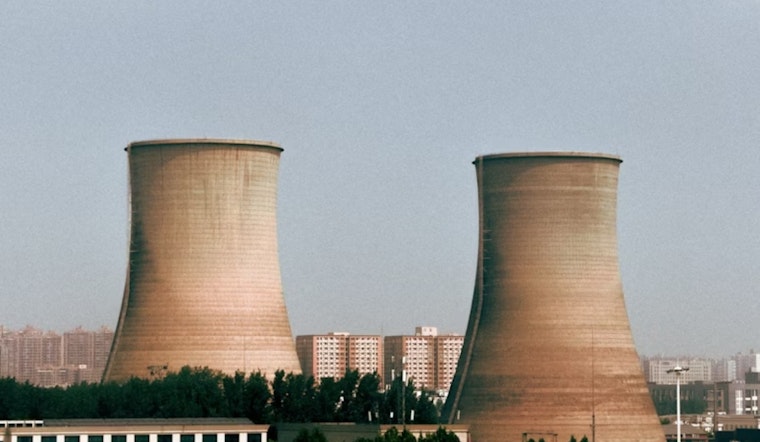
According to a report by the Ohio Capital Journal, economists are scrutinizing the potential of nuclear power to ease the financial strain on energy consumers. The discussion centers around balance — weighing the need for affordable electricity against the backdrop of an escalating demand, the specter of climate change ever-present.
A survey conducted by Scioto Analysis involving 18 economists puts the debate into perspective, and one voice, in particular, stands out. Iryna Topolyan, Ph.D., a professor of economics at the Carl H. Lindner College of Business, offers a nuanced take. "The demand for electricity is projected to increase substantially year after year. It is imperative to find ways to increase supply with low climate impact," she told the Ohio Capital Journal in a statement obtained by UC News. However, the consideration for Topolyan and presumably others lies in timing — the gestation period for a new nuclear plant is long and during this period, the rise of fusion energy looms as a potentially safer and more alluring prospect.
Indeed, nuclear energy isn't without its reservations and complexities. The cost of construction, the ethical considerations of waste disposal, and the haunting memories of Chernobyl and Fukushima are not just idle thoughts, but heavily weigh on the scales of progress and safety. But as the search for viable, climate-friendly energy sources intensifies, nuclear energy, with its promise of low emissions, assumes a prominent place in the conversation.
Ohio is at a crossroads, where the future of its energy supply is as contested as it is crucial. The debates are charged, opinions myriad, but one thing proves certain: The balance between environmental responsibility and the necessity to fuel our homes and industries will require solutions as dynamic as they are sustainable. Whether nuclear power will light up this path, only time, research, and spirited discussion will tell.





