

























































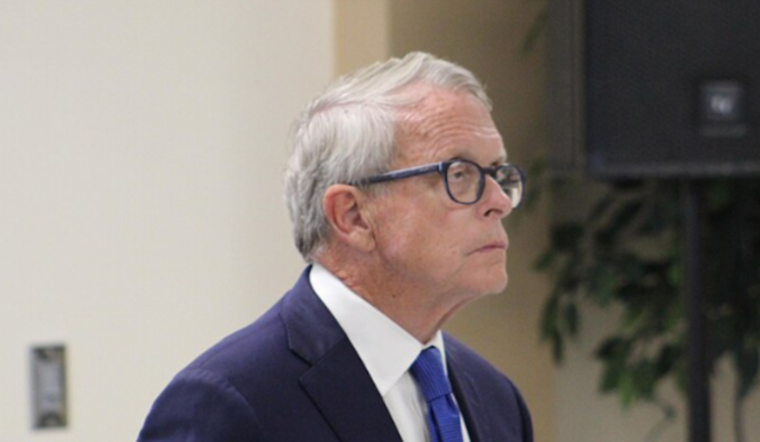
Ohio Governor Mike DeWine recently praised measures taken by Major League Baseball (MLB) to limit micro-prop betting, a move considered crucial to maintaining the integrity of the sport. In a statement reported on November 10th, Governor DeWine lauded MLB Commissioner Rob Manfred's decision to cap wagers on pitch-level bets at a modest $200 and disallow these bets from being included in parlays. This agreement, effective immediately across all MLB Authorized Gaming Operators, addresses concerns raised by DeWine and others about potential betting irregularities and their implications on the sport.
This regulatory change follows incidents involving the Cleveland Guardians pitchers Luis Ortiz and Emmanuel Clase, who found themselves on non-disciplinary leave amid a federal investigation into a betting scheme. The urgency of the matter heightened when the two players were indicted by a federal grand jury. "I commend Commissioner Manfred, Major League Baseball, and its partners for taking this action to address the problem of micro-prop bets," Governor DeWine said in a statement obtained by the said website. He encourages other sports leagues to implement similar policies to safeguard their games from improper betting activities.
The action taken by the MLB gives the Ohio Casino Control Commission the mandate to audit the adherence of gaming companies to this new framework. It's a continuation of efforts by the state of Ohio to mitigate betting-related threats, which came into prominence after sports gambling laws came into effect in the state back in January 2023. Included in the House Bill 33, these efforts saw the removal of collegiate prop bets from legal betting in February 2024, following a letter from NCAA President Charlie Baker and subsequent rules enacted by the OCCC.





